Jeremy Malabre, Head of Creative Design at Taittinger
Culture
Jeremy Malabre, Head of Creative Design at Taittinger
“We’ve created a signature style that transcends time and reality.”
How does a Taittinger campaign come about? Where do these images come from that feature so prominently on the brand’s social media and give it that instantly recognisable tone? Jeremy Malabre, Head of Creative Design, reveals the driving forces behind a visual style conceived to be a constant invitation to escape and daydream.
What exactly is your role within the company?
I’m in charge of creative direction at Taittinger. My role is to oversee all aspects of the brand’s visual identity, whether that be its image, creative scope or presence in the various markets where it is sold.
It’s a role that involves many areas. We work on everything from packaging, special editions and branded merchandise to digital campaigns, advertising, event design and merchandising. When it comes to bringing the world of Taittinger to life through images, our team steps in.
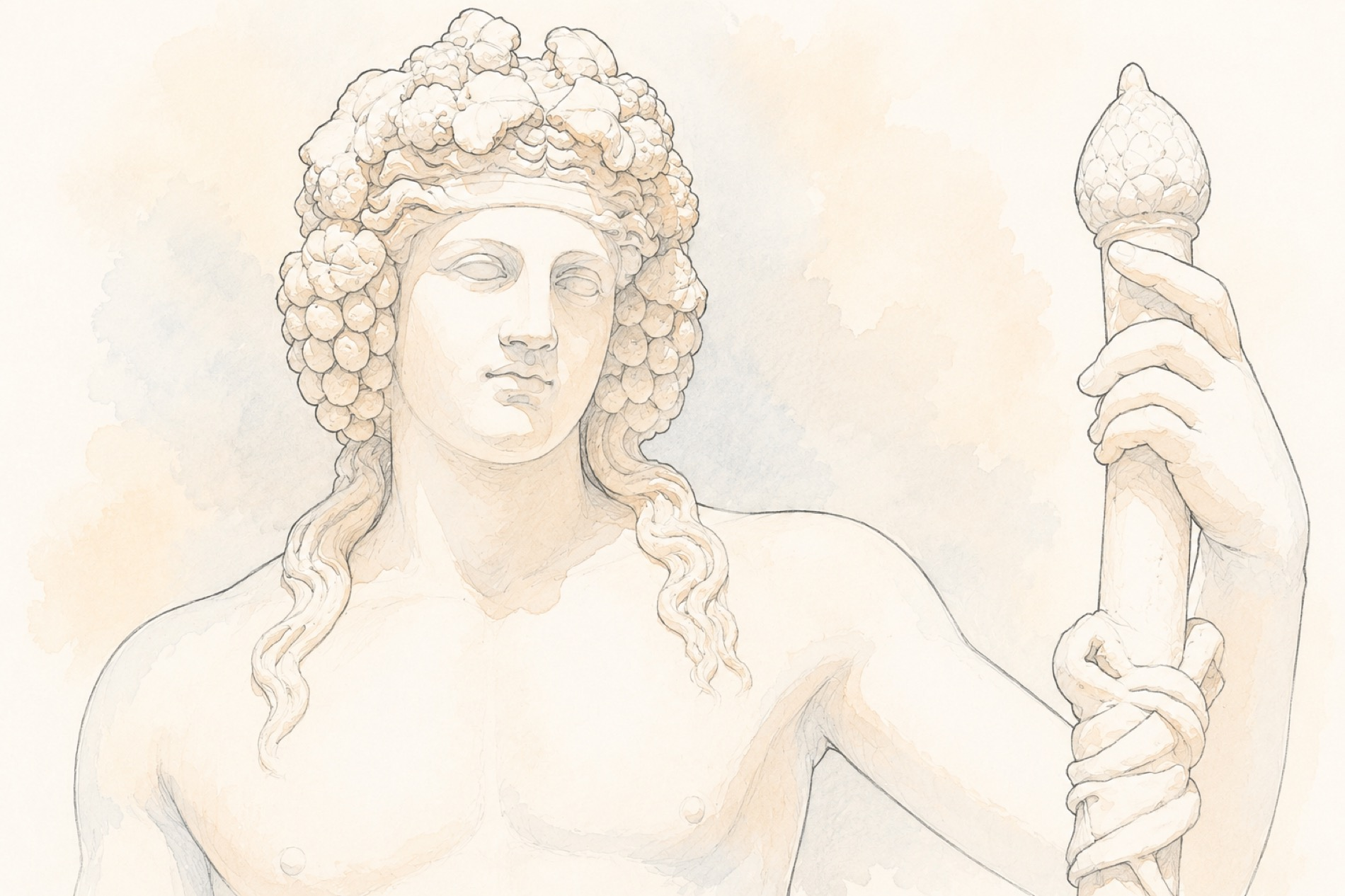
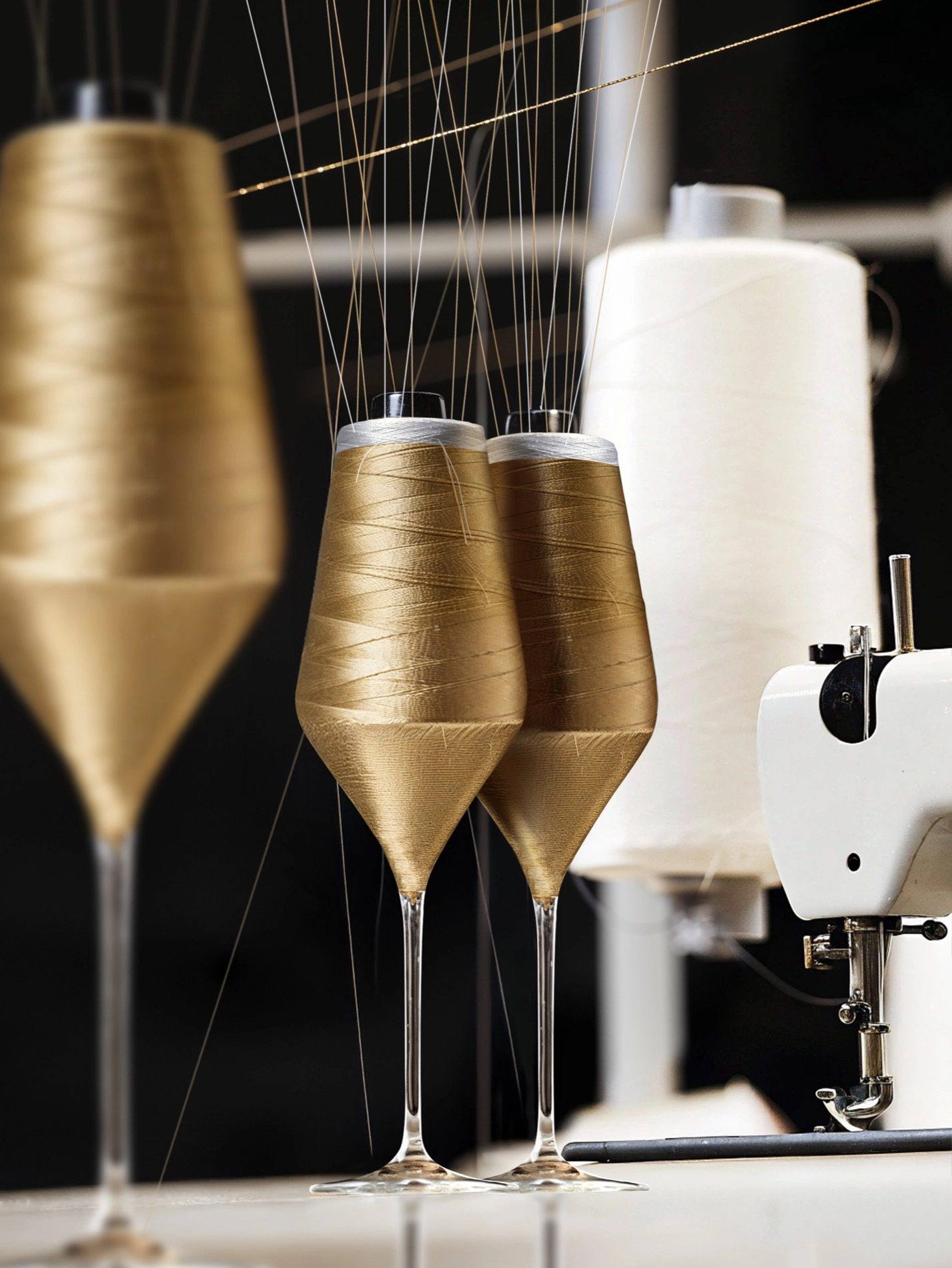
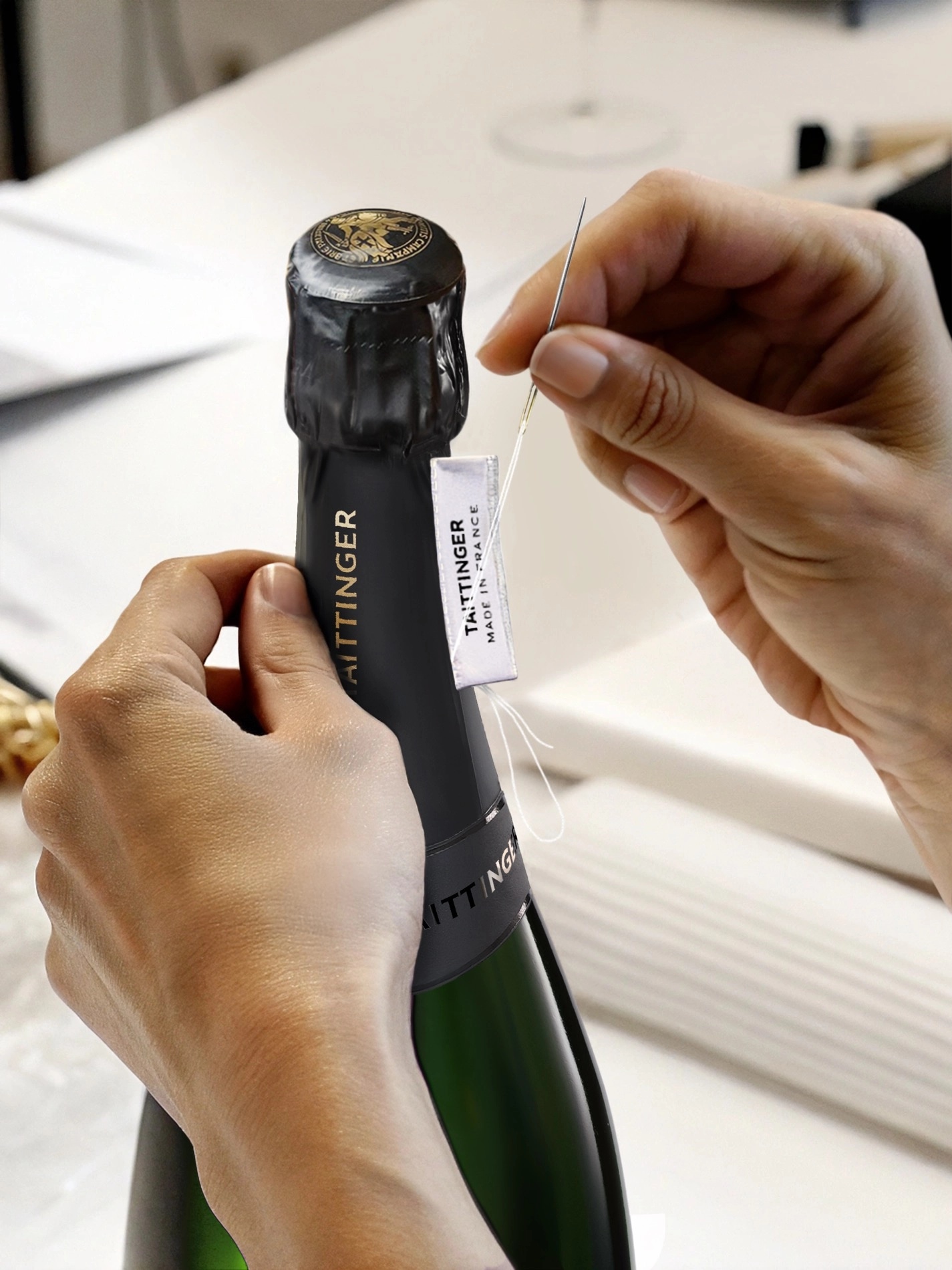 Images and a sketch from the "Capsule Collection" campaign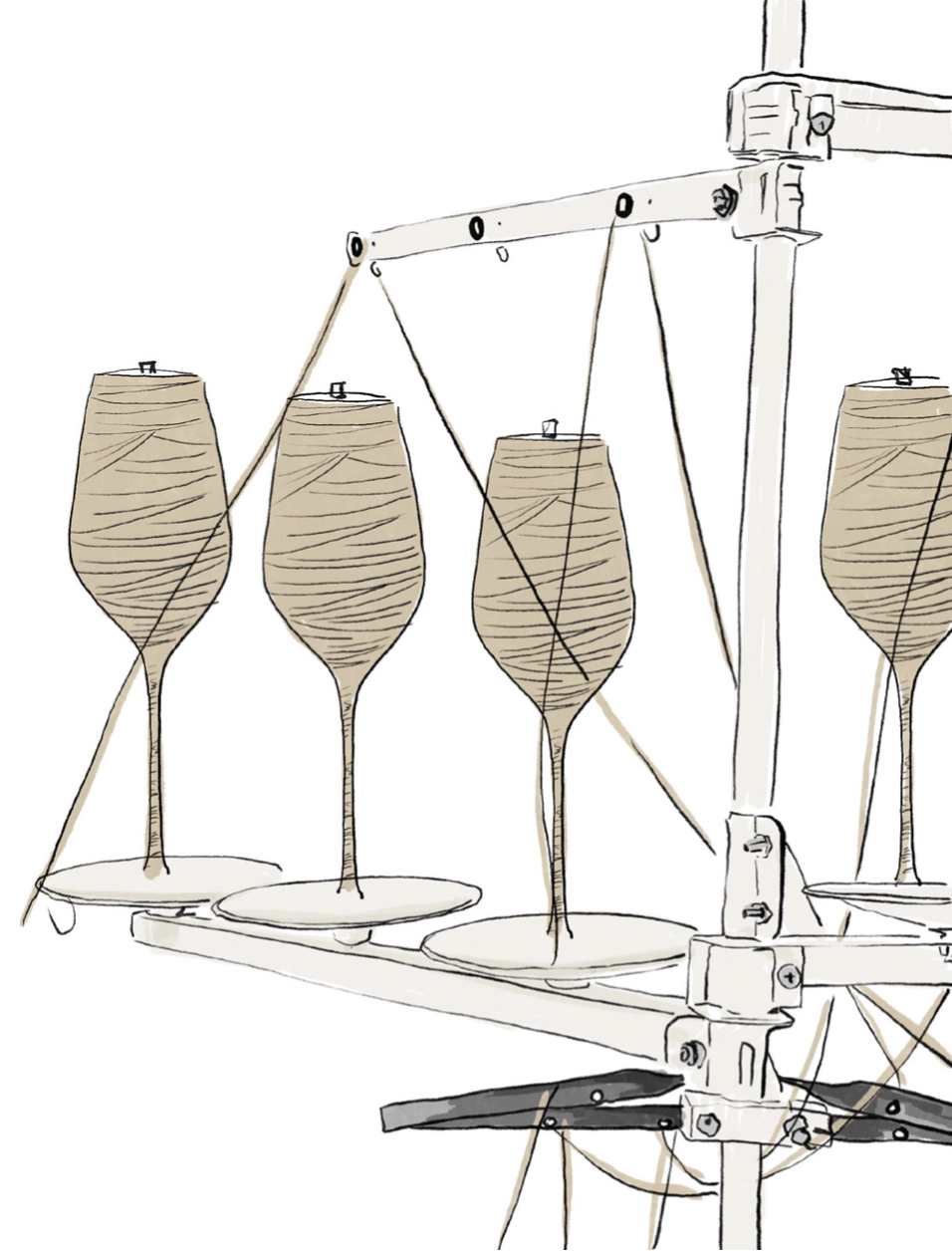
What do you spend most of time on day to day?
Creativity operates in cycles. When a new packaging design or special edition is launched, it needs time to settle in and find its place. These projects often require several years of in-house development before becoming an established part of the company’s operations.
Today, the most dynamic and consistent aspect of our business is the digital sector. Social media provides us with a fixed platform for self-expression. It challenges us to constantly come up with new stories, new images and new ways of telling Taittinger’s story, whilst remaining true to the brand’s core identity.
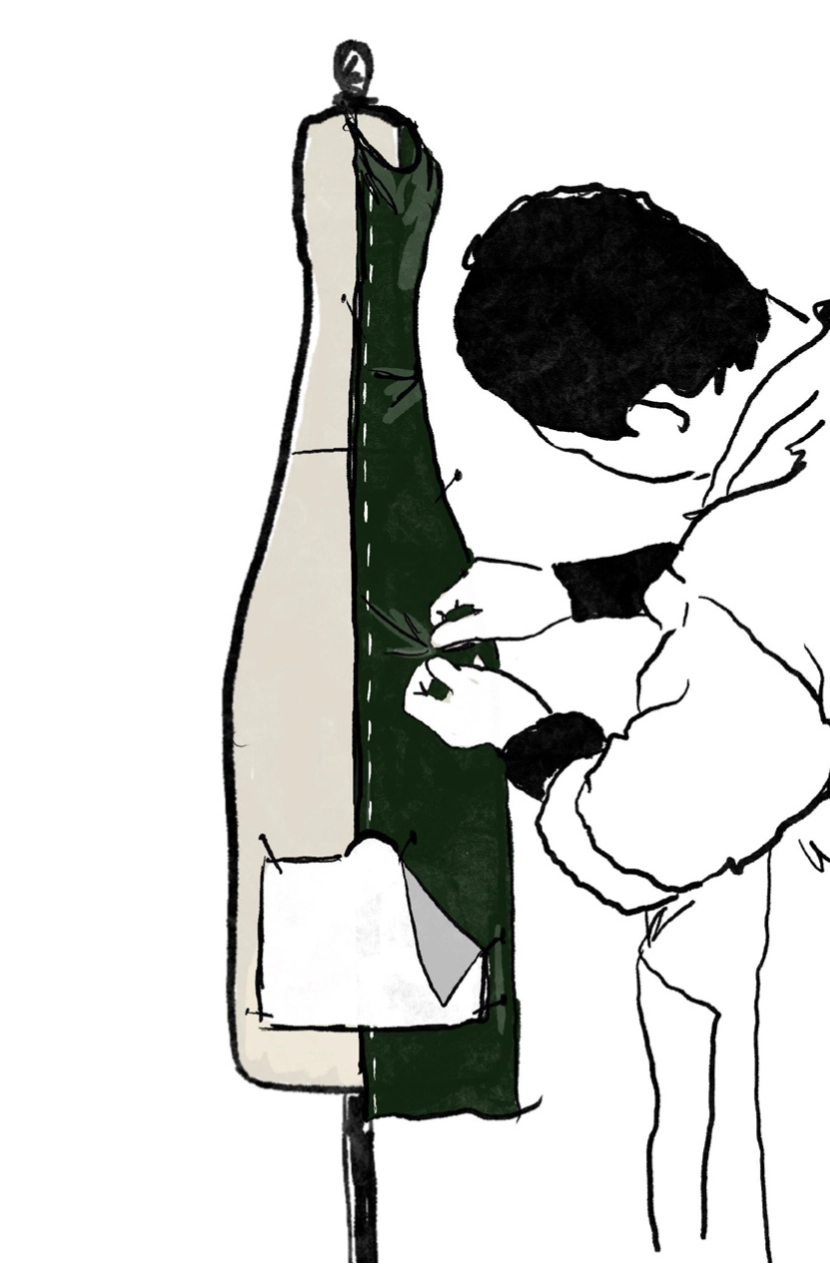 "Capsule Collection" campaign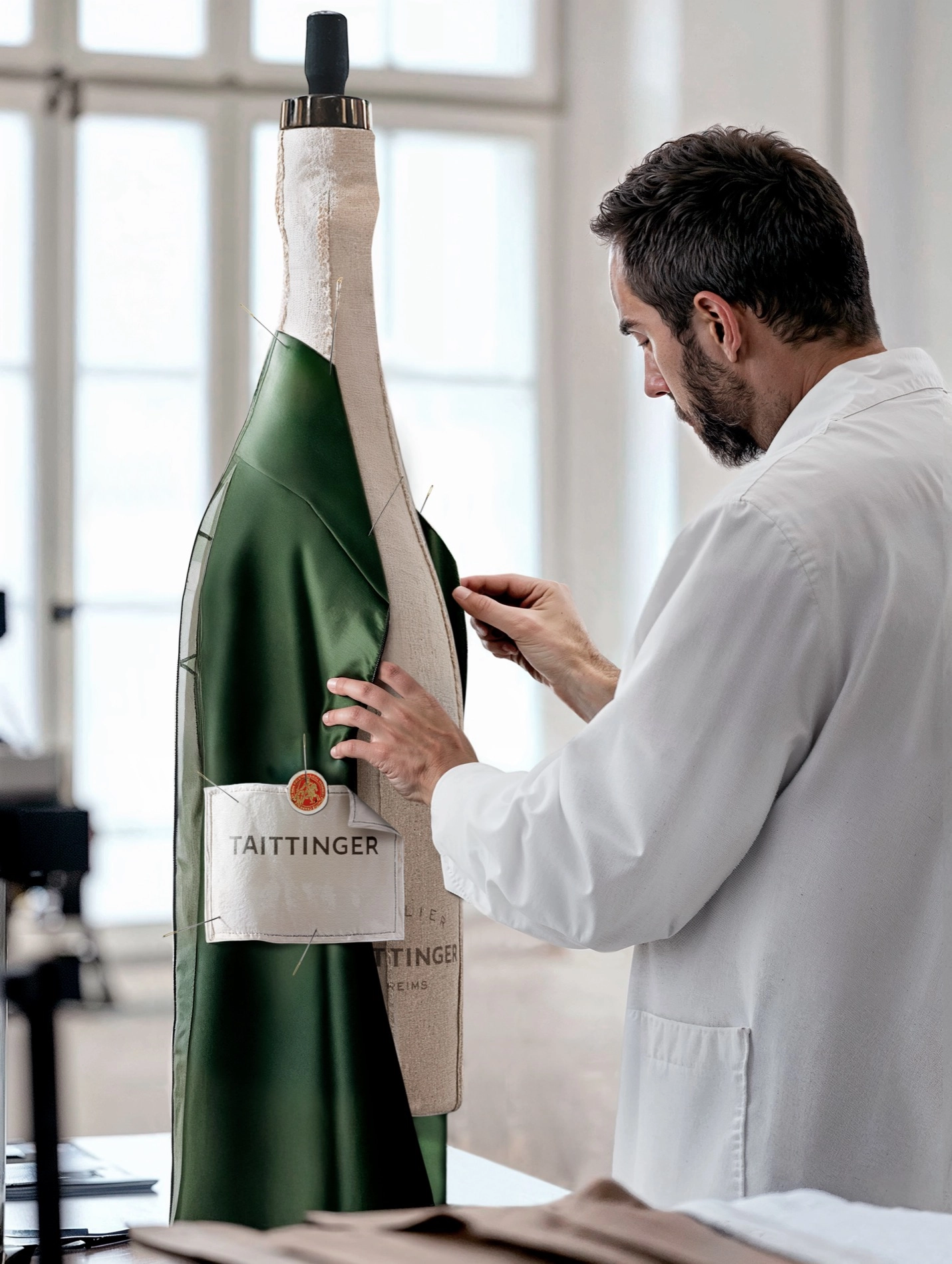
How would you describe Taittinger’s artistic signature?
I’d say it’s free.
We’re not bound by trends, traditional champagne conventions, or any particular aesthetic school. Over the years, we’ve developed a signature style that transcends time and reality.
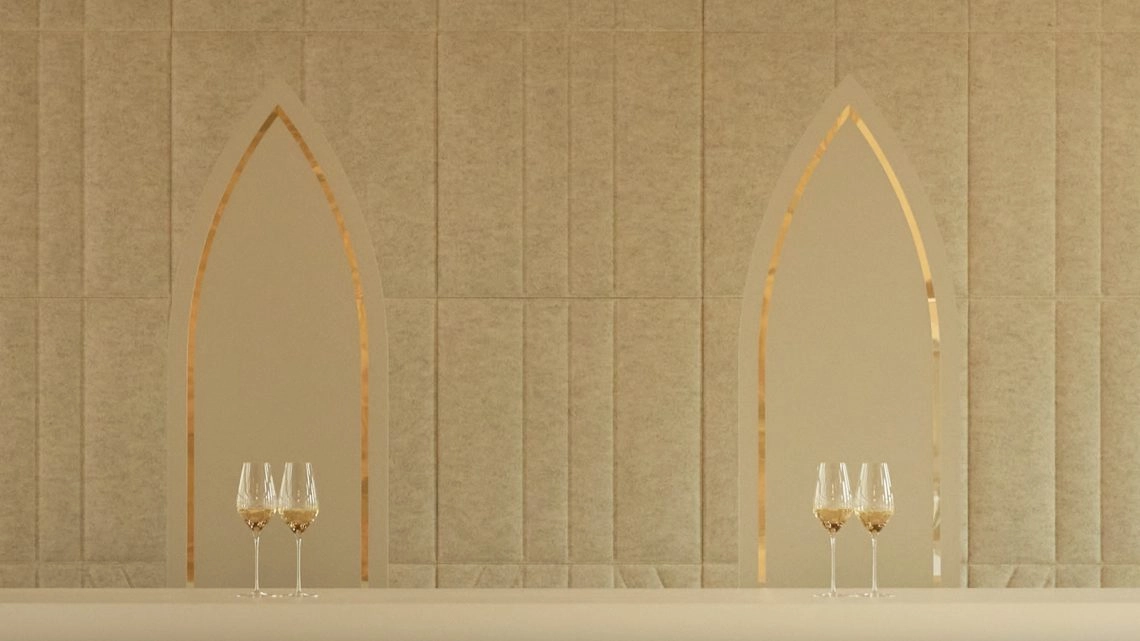
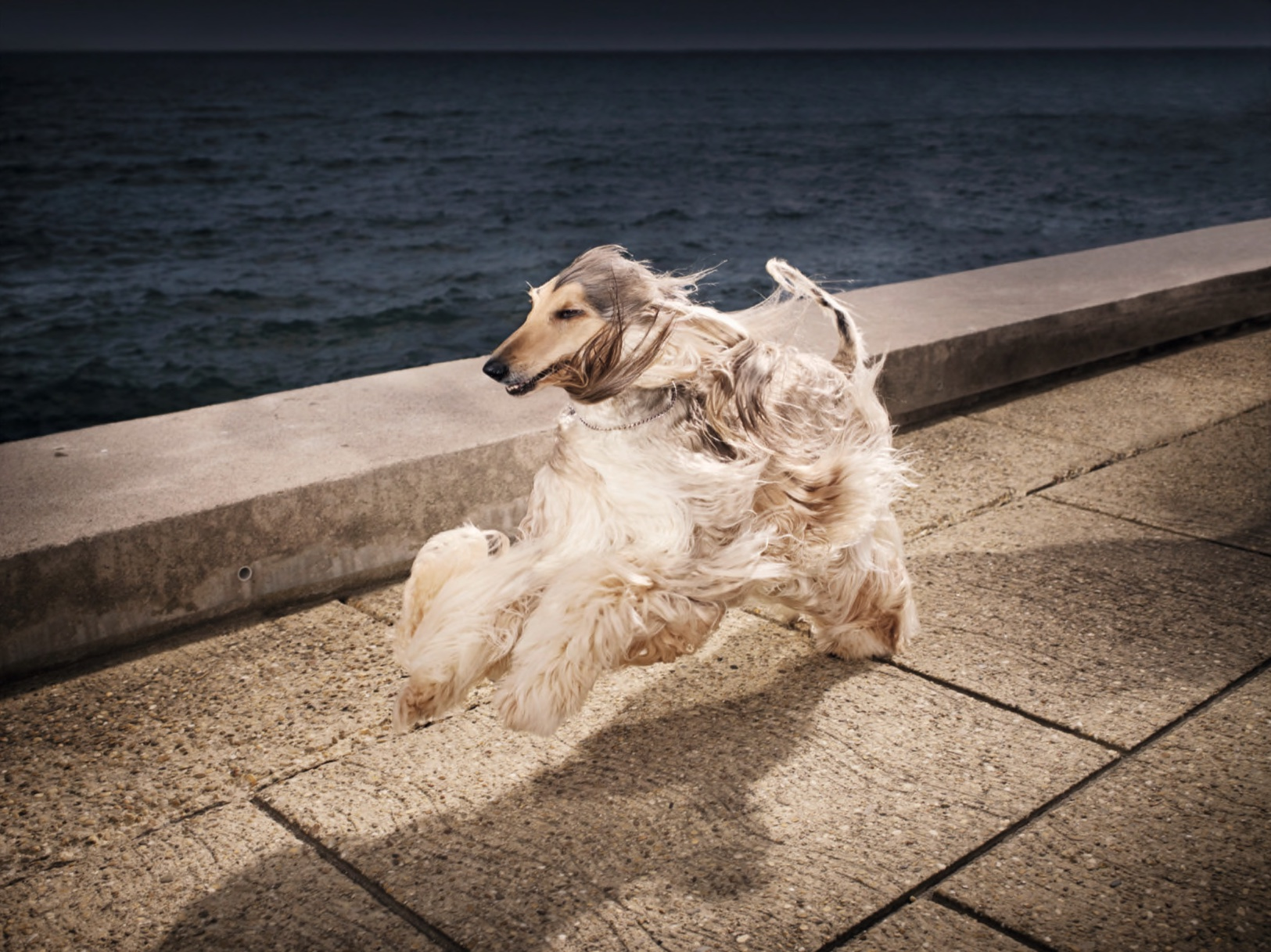
Ours is a language of surrealism. We start with familiar elements, pushing them towards their most unexpected poetic and playful potential. We seek to create moments frozen in time, images that seem to belong to a parallel world: a world where objects are transformed, and where imagination takes precedence over reality.
Through these works, we invite the viewer to escape for a few moments and to see things they thought they knew in a new light.
How does a Taittinger campaign come about?
A campaign can start anywhere.
Of course, it stems from the brand itself, from its history, values and heritage. But it can just as easily spring to mind whilst you’re travelling, at an exhibition, during a conversation, from a childhood dream, from a film you saw the day before, or simply from a detail noticed in everyday life.
We always seek to create a dialogue between our ideas and cultural references. It may come from art, film, design, architecture, literature or popular culture. It is these intersections that fuel our imagination and enable us to craft stories that resonate beyond the product itself.
Ideas circulate, bounce around and clash. And when an idea starts to take shape, we then look at how to bring it into the Taittinger world. How to subvert its conventions. How to transform a familiar image into a unique vision that could belong to no one but Taittinger.
Little by little, the idea takes shape and the story begins to unfold. It all starts with a very traditional approach: a few notes in a notebook, some sketches, and some research into images. Next comes the design, which allows us to clearly visualise our plans before we go into production.
Our job, then, is to preserve the power of the original idea right through to its final realisation.
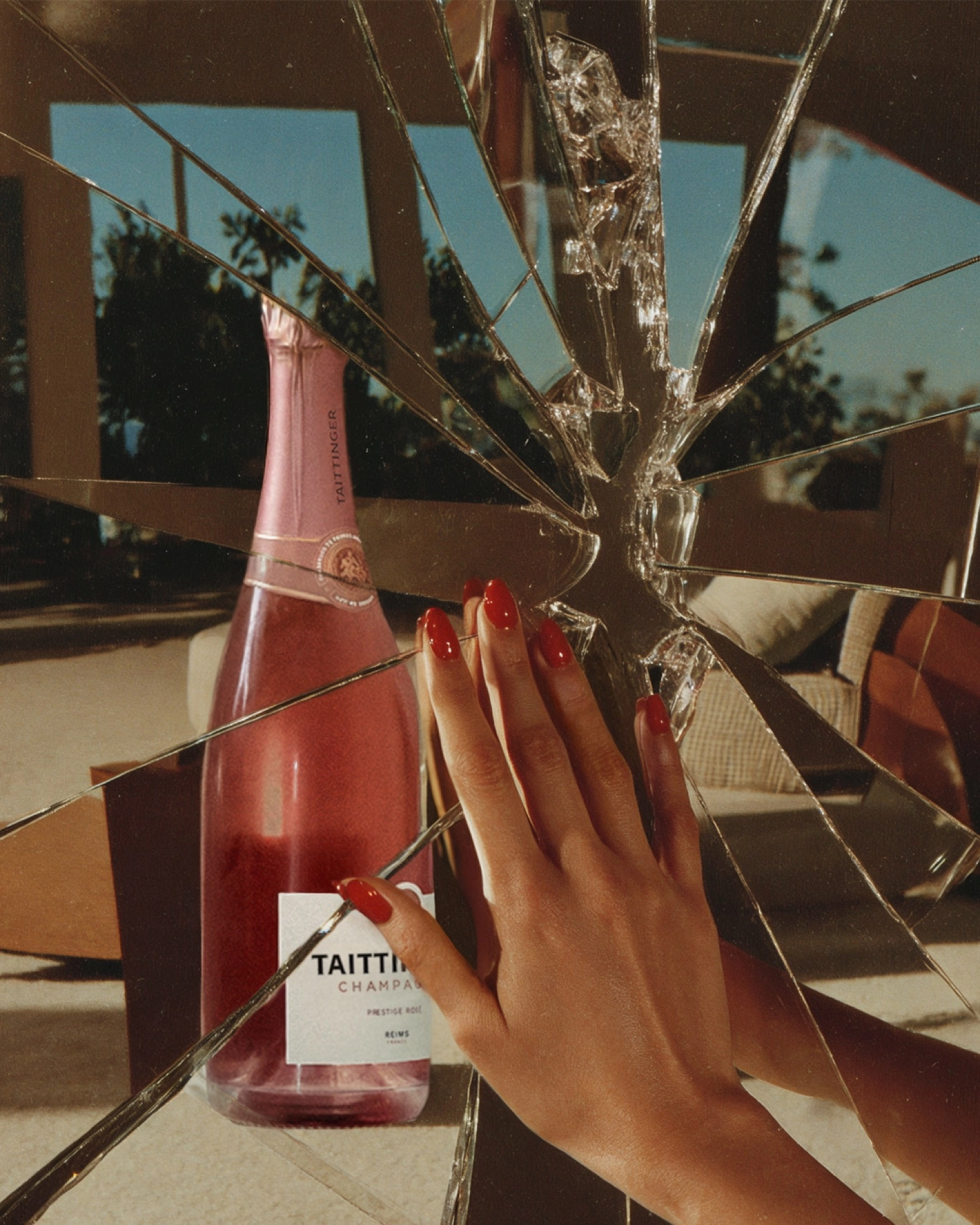
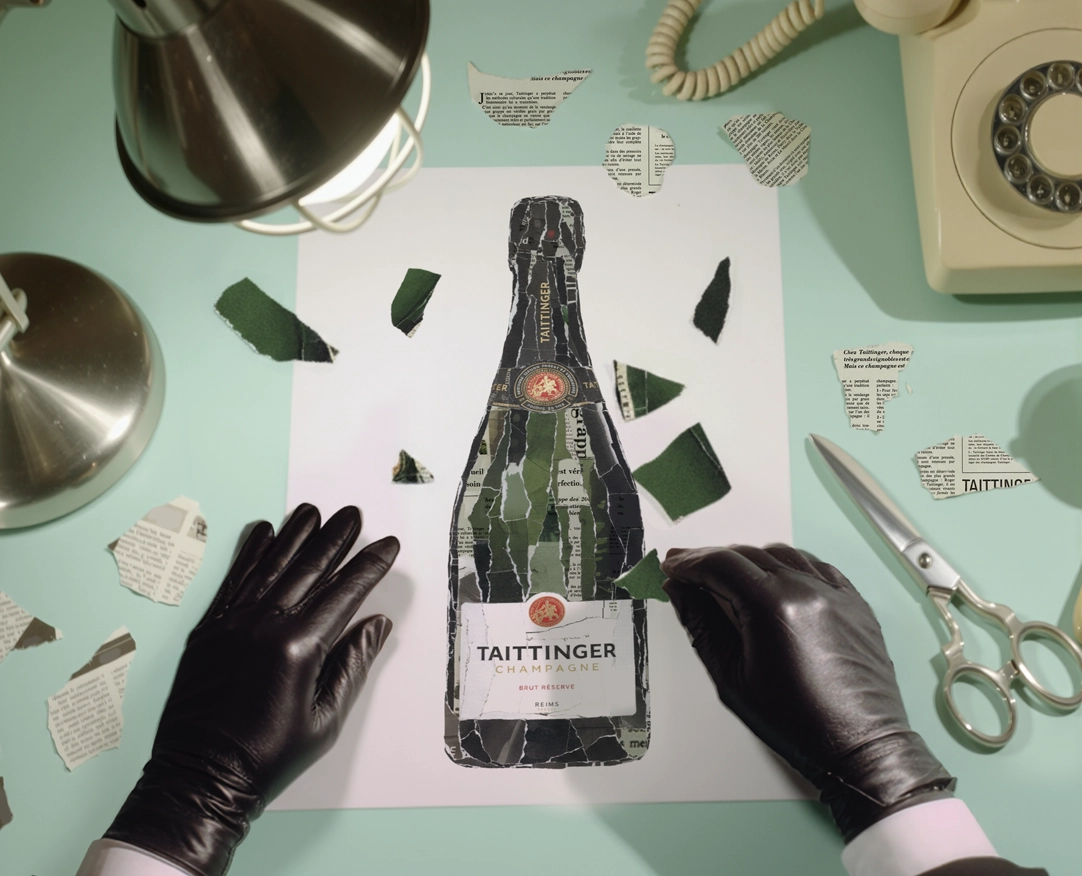 A detail from an image in the “Champagne Obsession” campaign, inspired by film noir and the world of Hitchcock
How does the brand feature in the visuals?
Through the product itself.
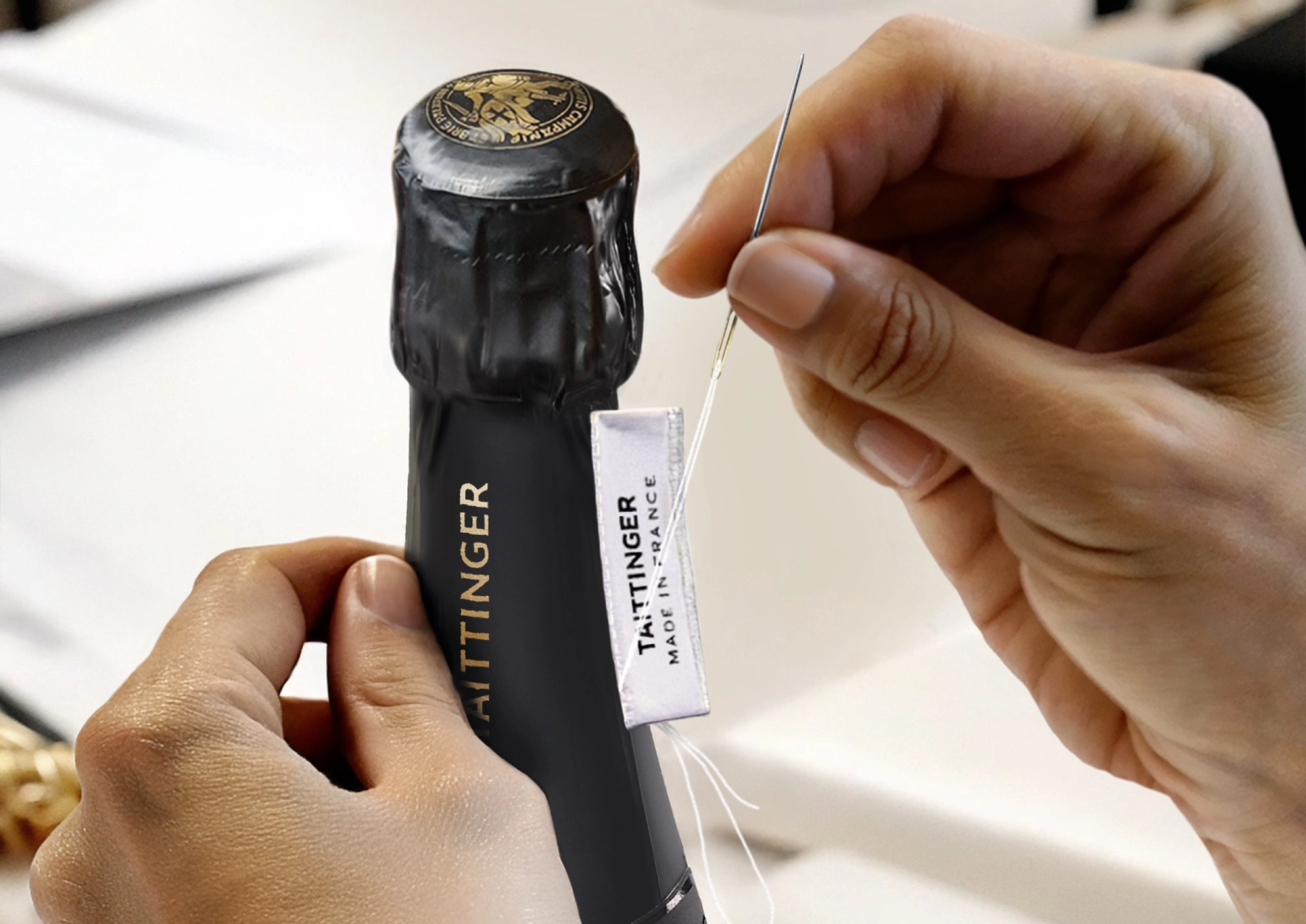
We’ve developed what we call the “star product”. The bottle is no longer merely an object depicted in the image; it’s the main character of the story.
Its shape, label, coat of arms and even the objects that accompany it become narrative elements. We reinterpret them, transform them and reinvent them, whilst preserving their identity.
Ultimately, we approach the bottle in much the same way as an illustrator might treat the recurring hero of a story: a character capable of taking on a thousand roles without ever losing its essence.
For a long time, advertising campaigns relied on highly elaborate photo shoots. How do you work these days?
Tools may change, but the intention remains the same.
The advent of artificial intelligence has opened up vast new creative horizons. I immediately saw this as an opportunity to bring certain visions to life that would have been extremely complex, if not impossible, to achieve in any other way.
However, there is often a misconception: that simply describing an image is enough for it to appear instantly.
Working with AI is more about dialogue than automation. It’s a process that requires precision, high standards and time. Just like with a photographer, you have to explain, make adjustments, start again and refine.
An image is built up layer by layer.
Some tools are used to create a world, others to design an object, and others still to refine the details or materials. A campaign requires hours of research, creation, selection, assembly and editing before it reaches its final form.
AI doesn’t replace masterful creation of the image; it simply expands the range of creative possibilities.
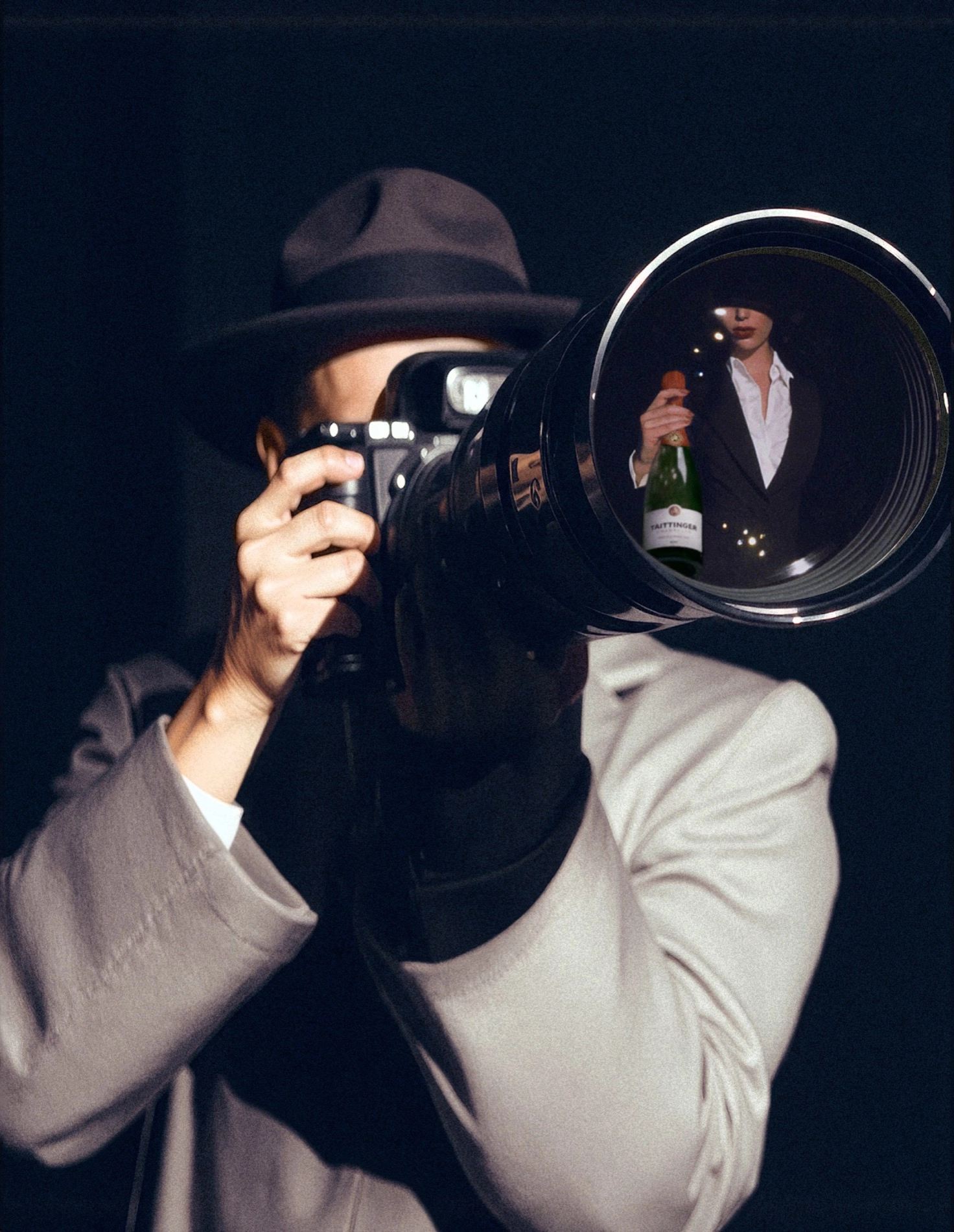 “Champagne Obsession” campaign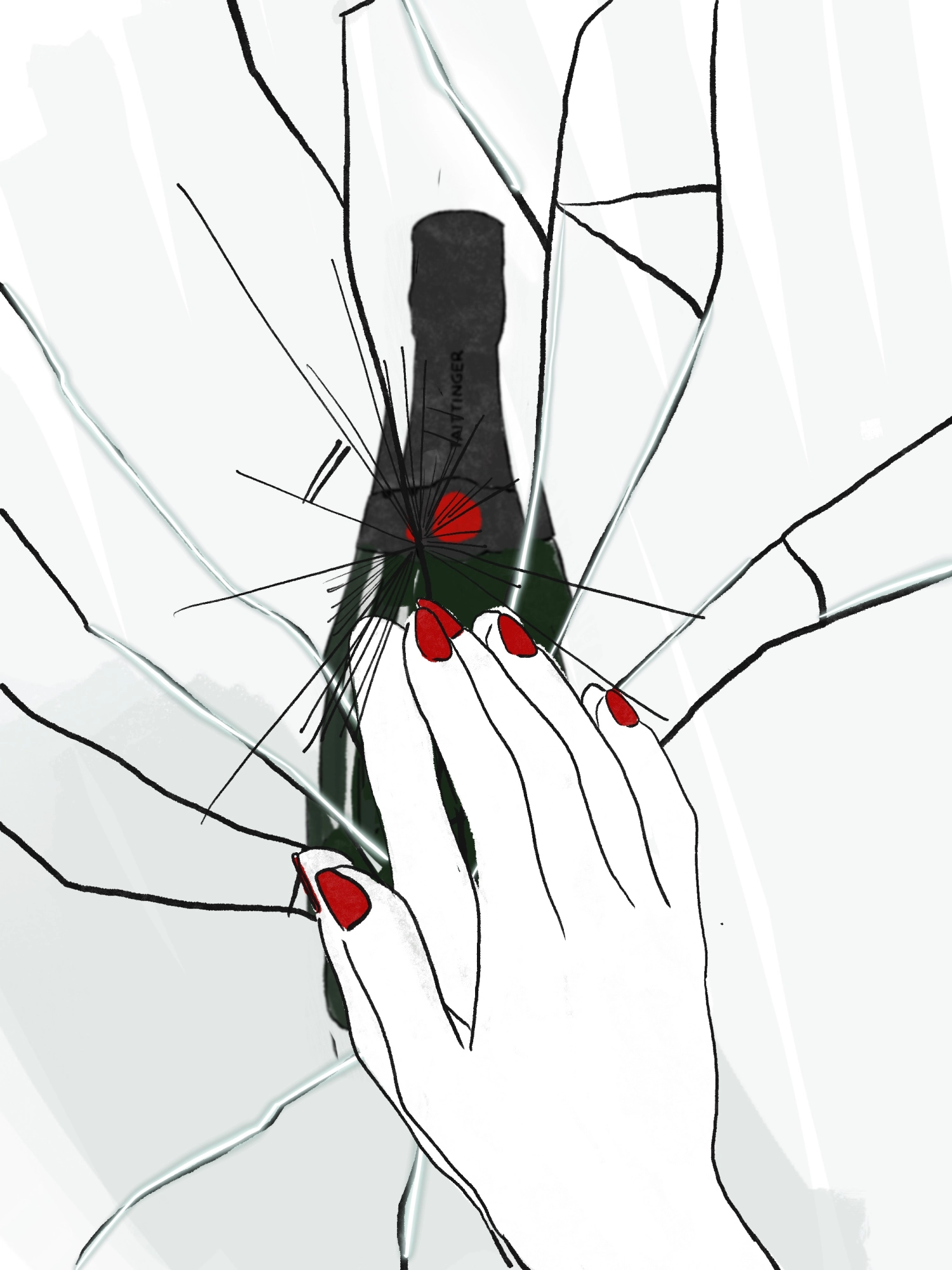
Why are some campaigns still shot using photography?
Because not all images tell the same story.
For us, social media is a space for freedom where imagination can be fully expressed.
Corporate campaigns serve a different purpose. They’re designed to stand the test of time and tell the story of what lies at the very heart of the brand: its people, its vineyards, cellars, family history and expertise.
At Taittinger, people are at the heart of everything we do.
When it comes to capturing that reality, photography remains irreplaceable. We need reality in order to talk about reality. We need to show faces, body language, places and emotions as they truly are.
These two approaches aren’t mutually exclusive. They complement each other.
One opens the doors to the imagination. The other grounds the narrative in authenticity.
Yet both share the same ambition: to promote the Taittinger spirit, somewhere between dream and reality.

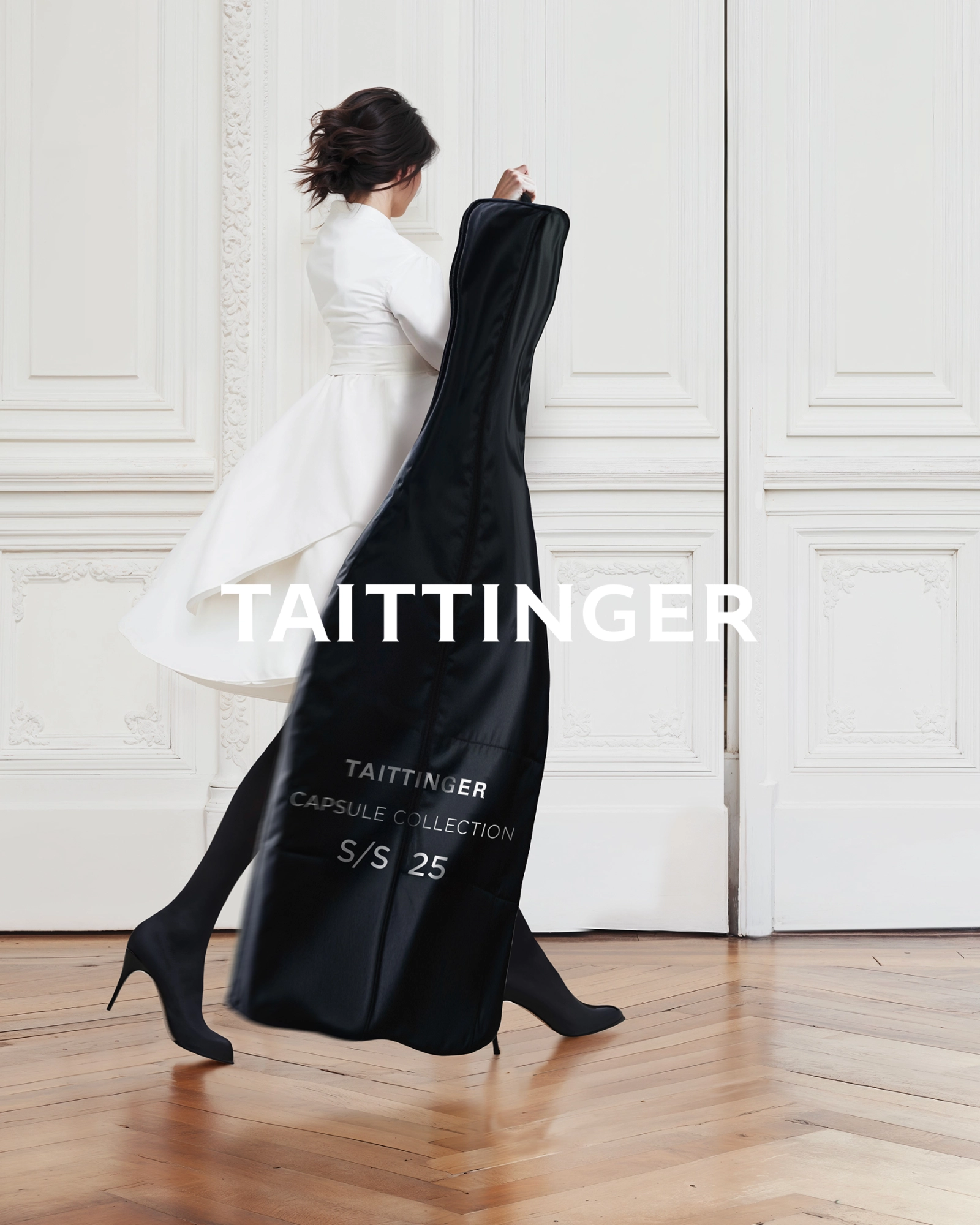 "Caspule Collection" campaign
Interview by Benoît Pelletier
Read more