Anne-Lise Broyer
Culture
Anne-Lise Broyer
The Mediterranean sea in one place
For more than 20 years, Anne-Lise Broyer has been working on a photographic project that closely intertwines literature and photography. This summer, she is presenting her exhibition, ‘Méditerranée. Est-ce là que l’on habitait ?’ (The Mediterranean. Is this where we once lived?) at the Rencontres d’Arles, resulting from 10 years of travel around the Mediterranean basin. This long-term project has also led to the publication of a book of the same name by delpire & co.
How did this series on the Mediterranean come about?
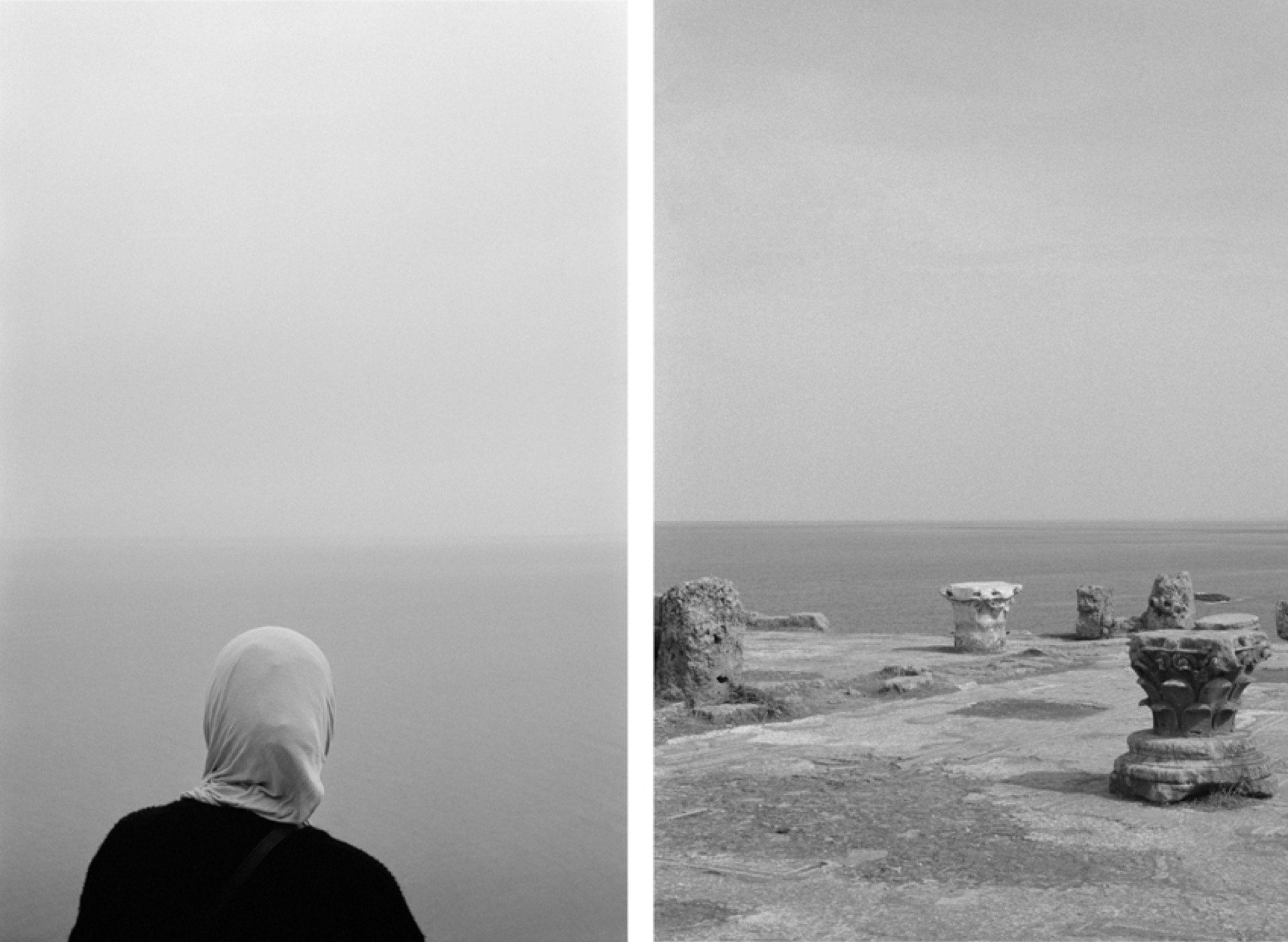
It all began with a trip to Carthage, in Tunisia, inspired by Flaubert’s novel Salammbô. I wanted to gain an understanding of how a literary work could have influenced the first archaeological excavations at the site. When I got back, the planned exhibition didn’t go ahead in the end. I found myself with ‘floating’ images, without a specific project in mind. I was working on Georges Bataille at the time, and I started thinking again about Jean-Daniel Pollet’s film Méditerranée, which had left a lasting impact on me. Strangely enough, the images of Carthage transported me to that world. It made me want to pay tribute to the film, which imagines the Mediterranean as a single realm of memory.
What process did you use ?
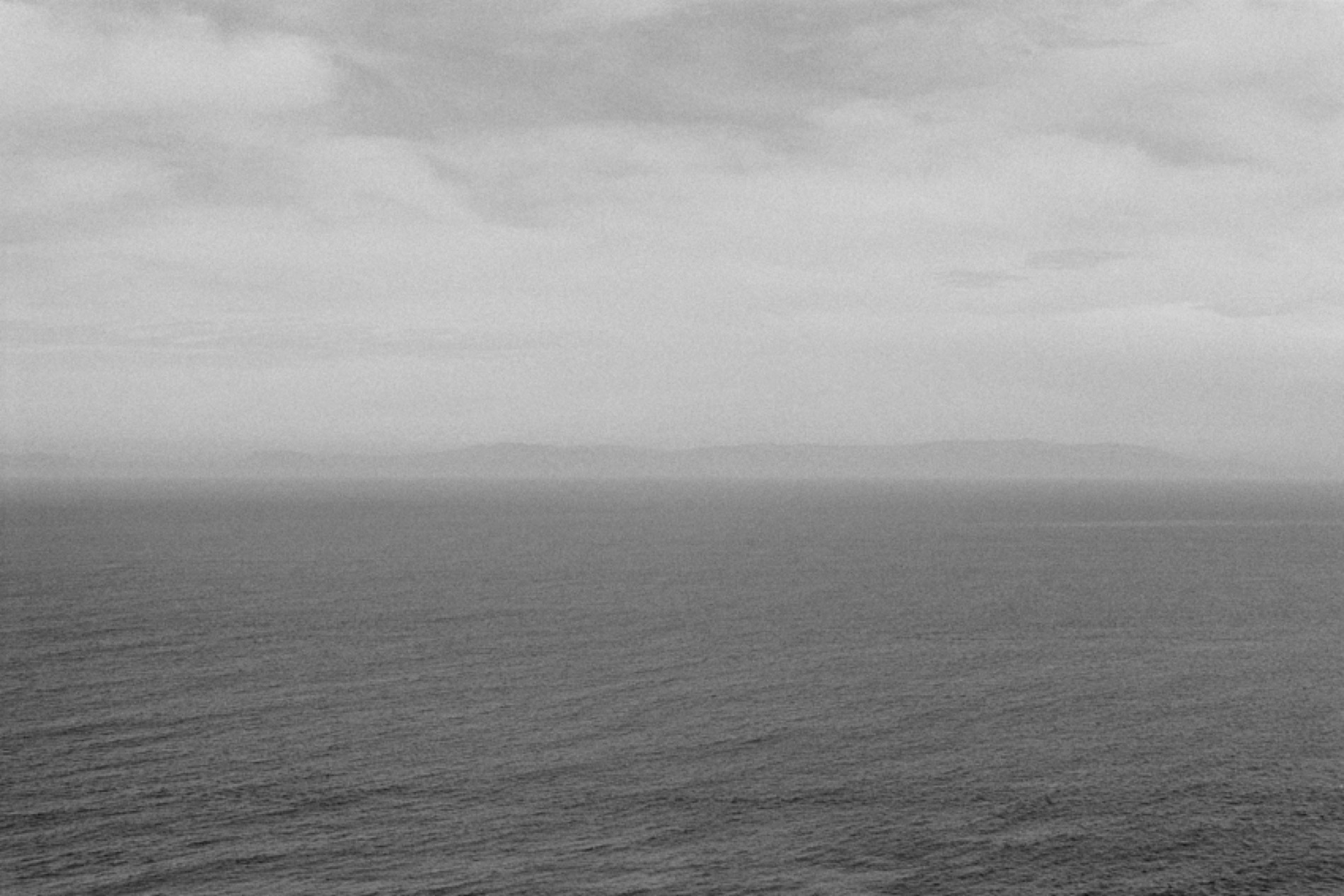
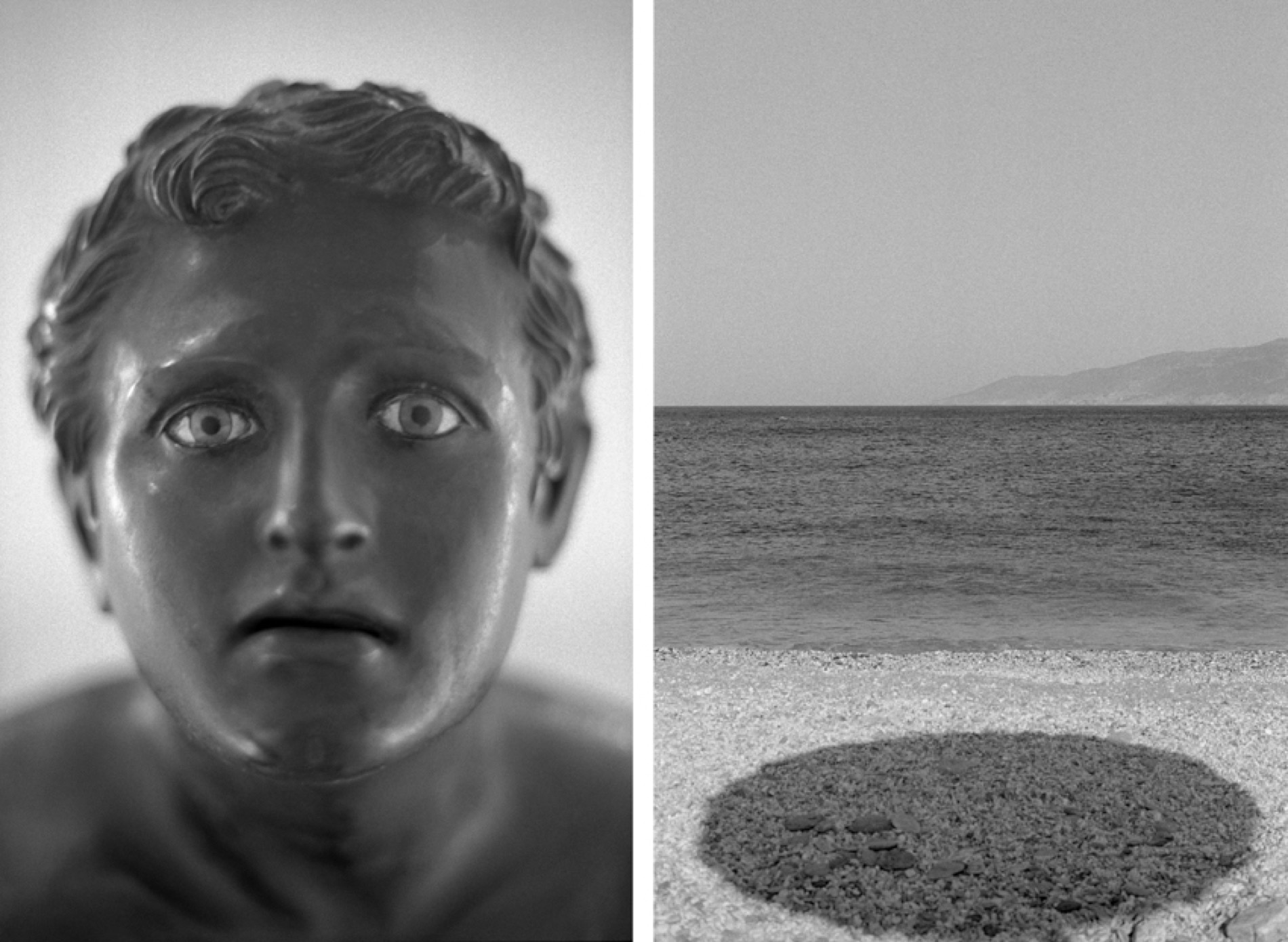
I used Jean-Daniel Pollet’s method as a guide. He had shot the film without a script, then put it together in the editing room, based on a text by Philippe Sollers. I built on both his approach and this concept of a score. I set off on my own tour of the Mediterranean, with the aim of creating not a cinematic poem, but a ‘photographic song’. The project is structured like a song, with verses and choruses. The verses are the shores, towns and Mediterranean landscapes. The choruses are always the sea, photographed in the same way but from different coastlines.
Why is this project seeing the light of day now?
Quite simply because it was nearly a decade in the making. I travelled throughout almost the entire Mediterranean basin: Lebanon, Tunisia, Libya, Algeria, Italy, Greece, Spain, Morocco, Israel and the West Bank. Every trip required time, support and often special clearances. The book was originally due to be published later, but its selection for the Rencontres d’Arles brought the publication date forwards. Furthermore, the project isn’t entirely finished – I would have loved to continue this tour of the Mediterranean. Despite this, the body of work is already substantial, with over 100 images in the exhibition and nearly 250 in the book.
What story does your Mediterranean tell?
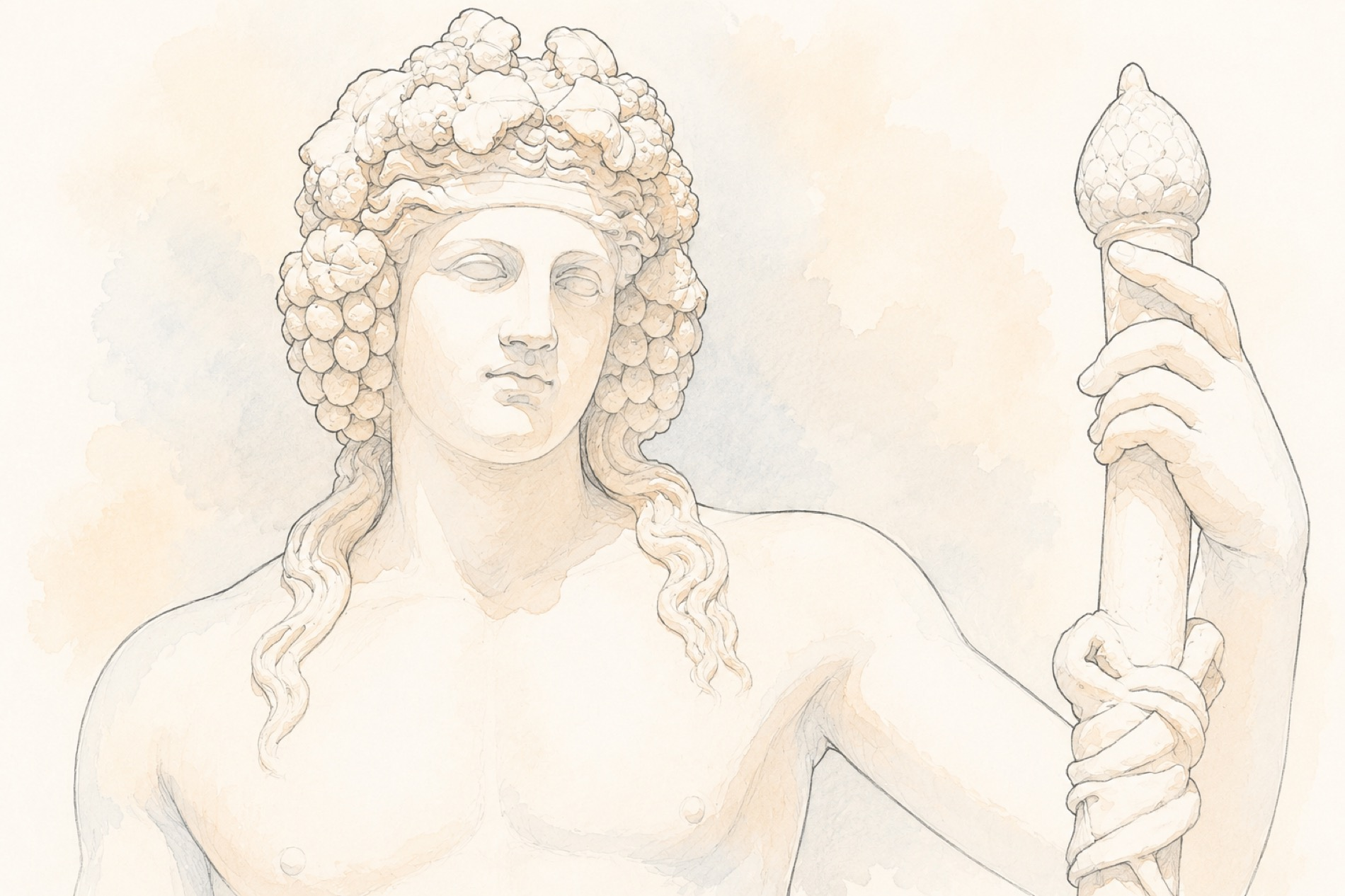
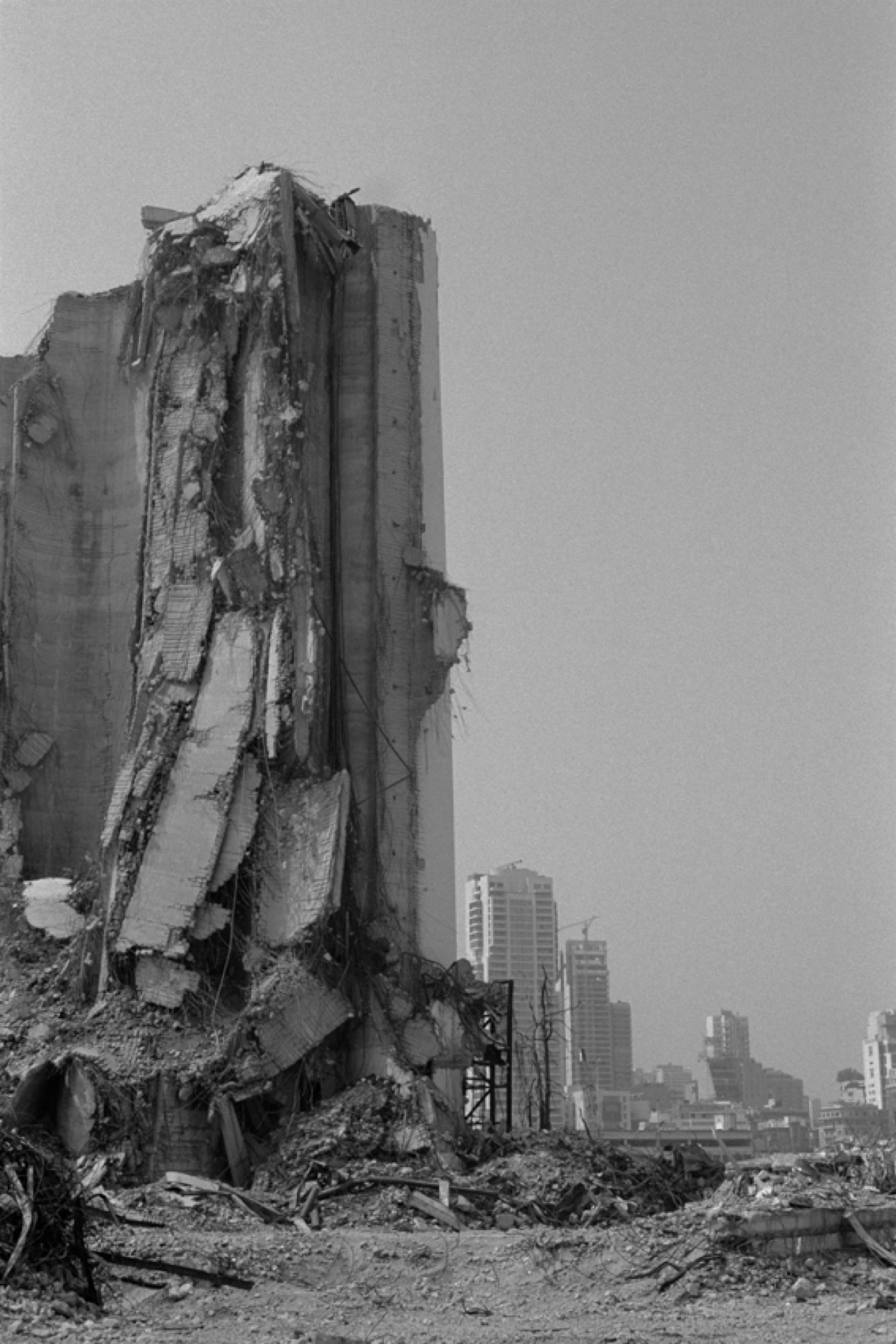
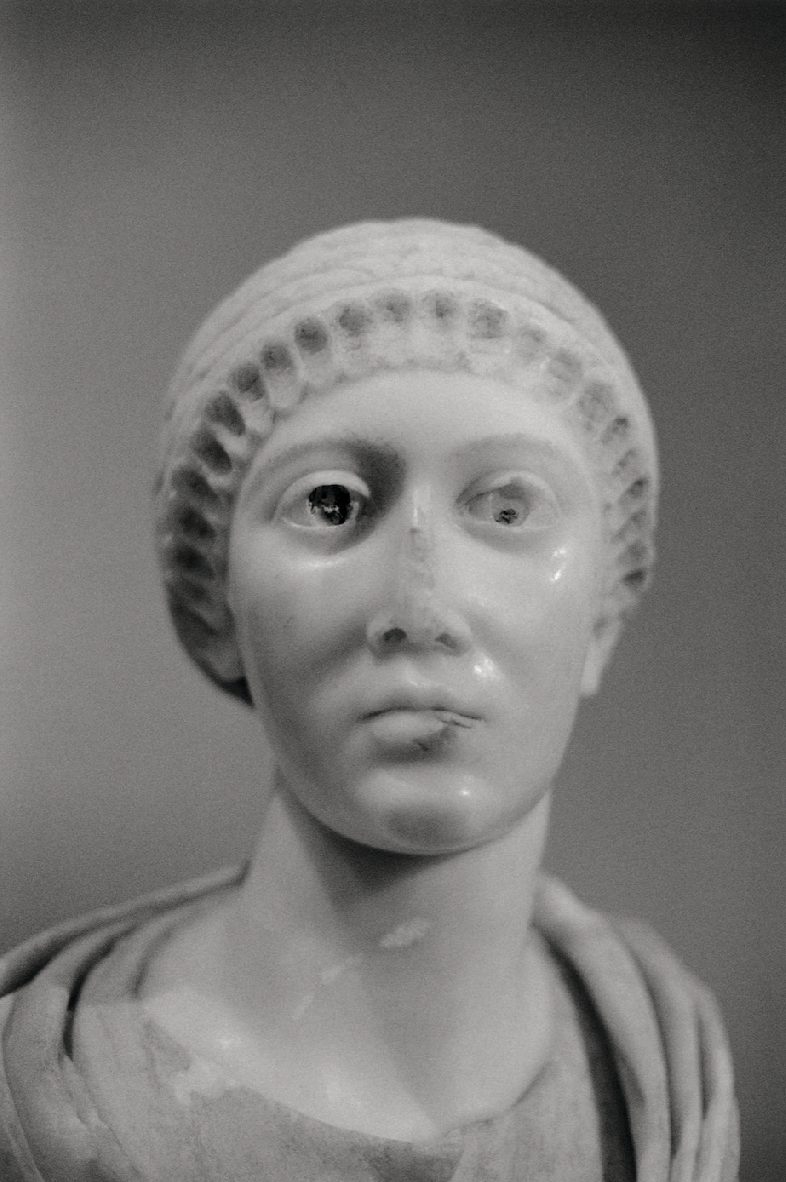
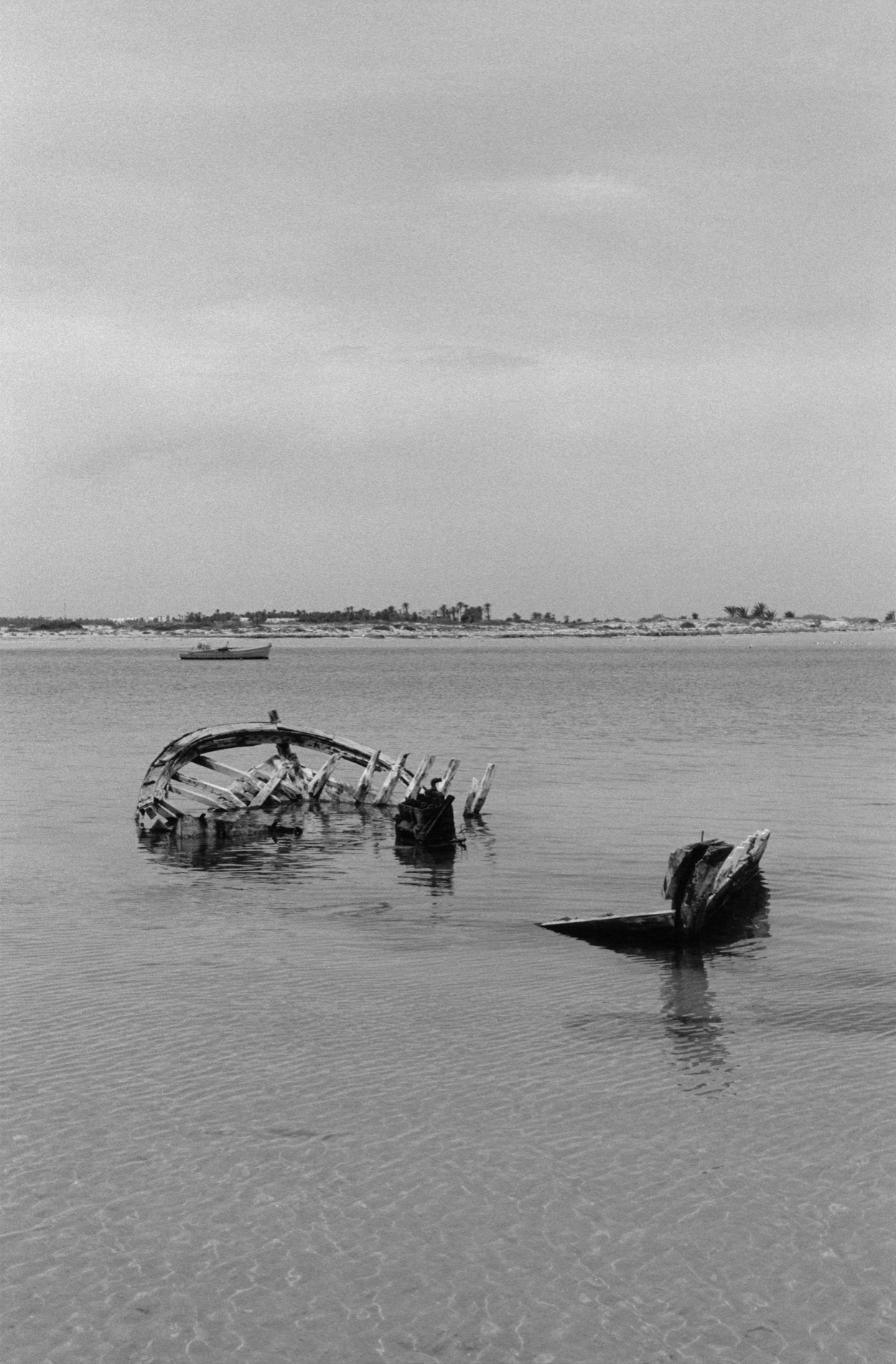
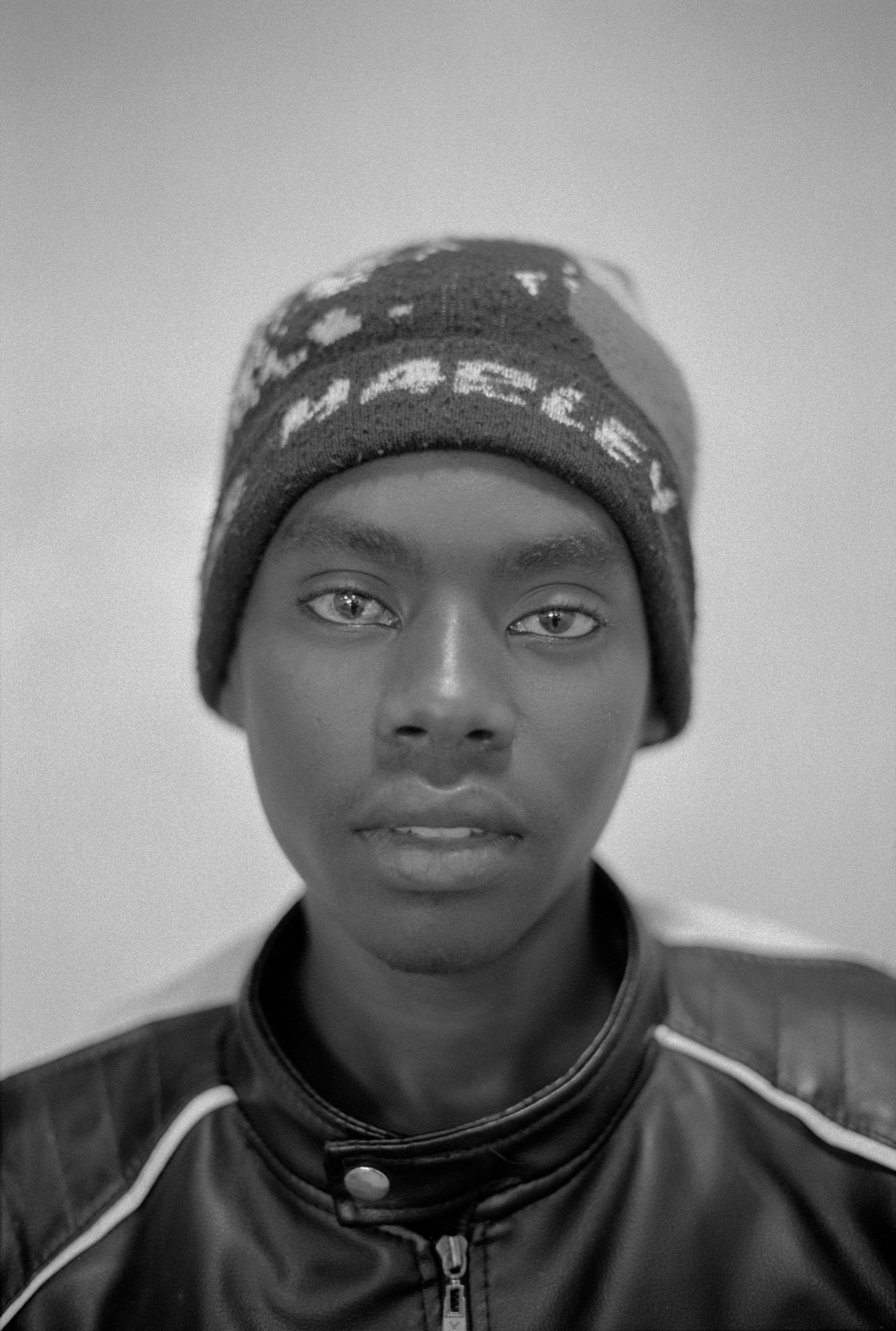
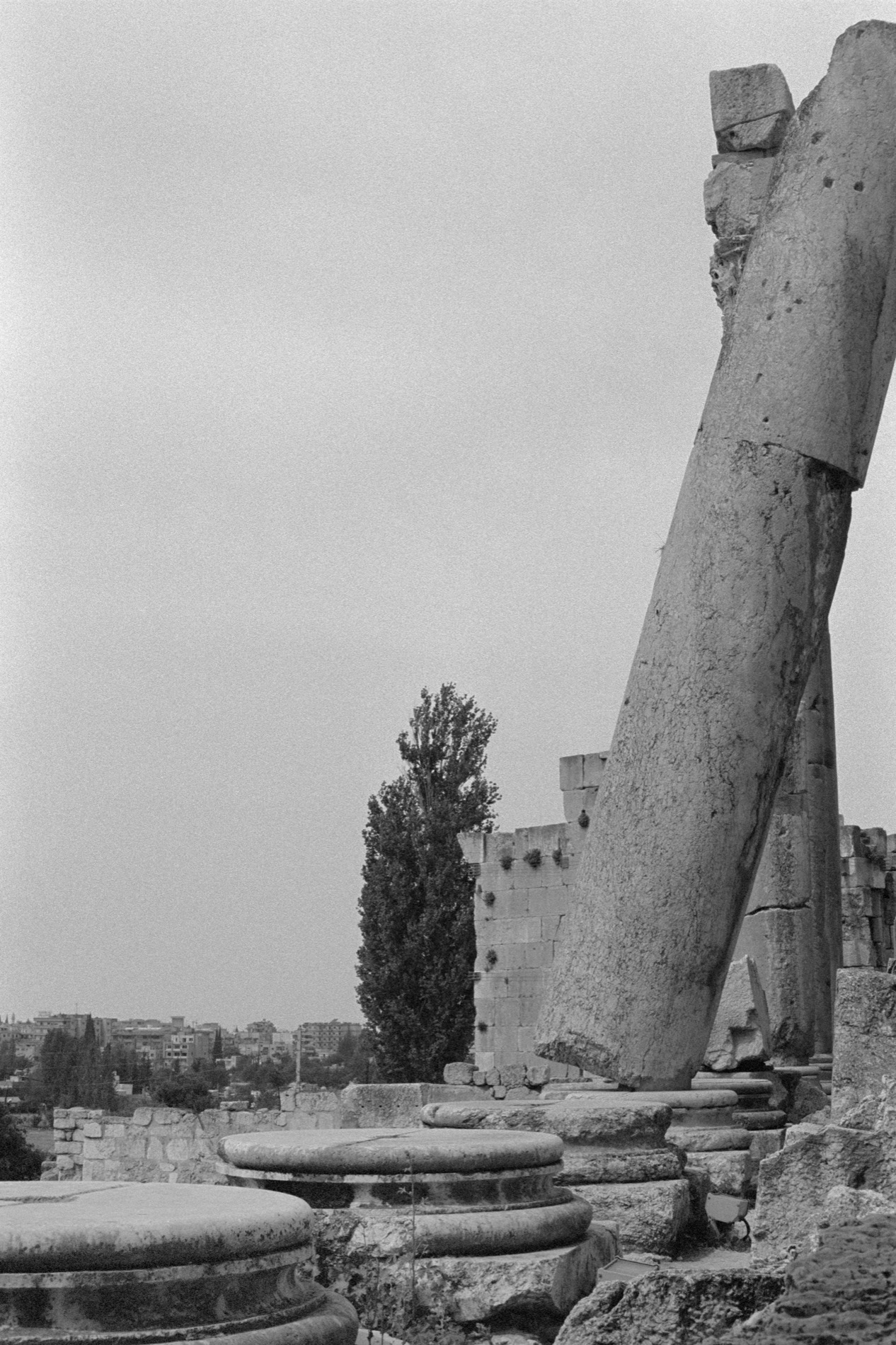
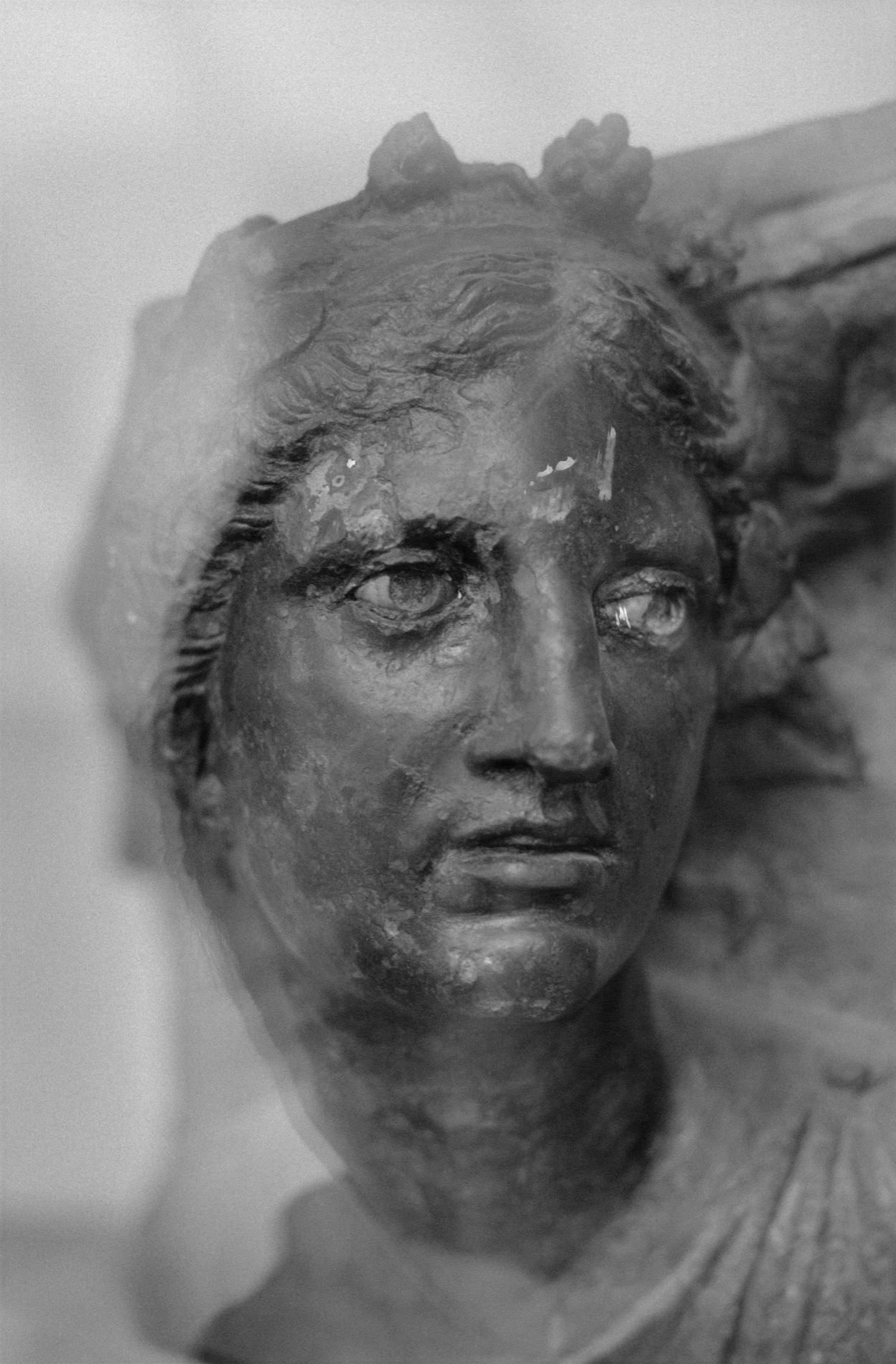
I didn’t want to tackle current affairs head-on. My goal was to treat the Mediterranean as a single place, by breaking down borders and temporal boundaries. The title, Méditerranée. Est-ce là que l’on habitait ? explores this idea of a shared territory, traversed since ancient times by peoples, civilisations and common memories. Ruins are key. The ancient ruins stand in dialogue with those of our present day and already foreshadow those yet to come. Photographing the port of Beirut after the explosion was like capturing a ruin in the making. But it’s not just about destruction: gaze also plays a vital role. The statues – photographed as if they were portraits – have been watching us since ancient times, while contemporary faces become the figures of tomorrow. From one shoreline to the other, the Mediterranean forms a loop where we gaze at one another.
The theme of time often seems to run through your work…
Yes? I’m more interested in the passage of time than in nostalgia, a word I don’t really identify with. I’m trying to capture a moment of transition – the sense that an action has taken place or is in the process of happening. When faced with complex realities, I prefer restraint over certainty. This series doesn’t set out to provide answers; it raises questions. It seeks to approach historical, political and human issues with sensitivity, while leaving the door open to the possibility of a future.
How did this project come to be featured at the Rencontres d’Arles?
It was Emmanuelle Kouchner, director of Delpire Publishing, who put this project forward to the Rencontres team. It also aligned perfectly with this year’s line-up focusing on the Mediterranean. This perfect timing on both fronts secured its place in the programme. I’m particularly pleased that it is being exhibited at Montmajour Abbey. It’s a place of stone and memory, slightly off the beaten track, that naturally resonates with the project.
Were you involved in the set design?
Yes, for me, the act of writing extends far beyond the images. This is reflected in their layout and in the visitor journey. Les Rencontres gave me a great deal of freedom in this regard. I envisaged the picture rails as a coastline, with breaks, curves, some gentler sections and others that are more rugged. The exhibition unfolds in a very linear fashion, like a journey. I also wanted to introduce a polyphonic dimension. 14 poems were commissioned from writers across the Mediterranean. Seven of them are on display in the exhibition, like the pages of an open book. I wanted to bring together a variety of voices and perspectives on this shared territory, without reducing them to borders or the pressing issues of today’s news.
Is there a particular dialogue between the exhibition and the book?
For me, it always starts with wanting to create a book. Even when it’s published after the exhibition, it gives the project its structure. The exhibition becomes a means of physically unfolding this space of thought. The book contains more images, but the essence is identical. The exhibition design functions like a choreography: you move forward, step back and return. I’m trying to create a movement similar to that of reading. Certain motifs recur, while certain images echo one another. This repetition helps to build an active memory of the project. Like the ebb and flow of the sea, it creates a sense of return, of déjà vu, that accompanies the visitor throughout the exhbition journey.
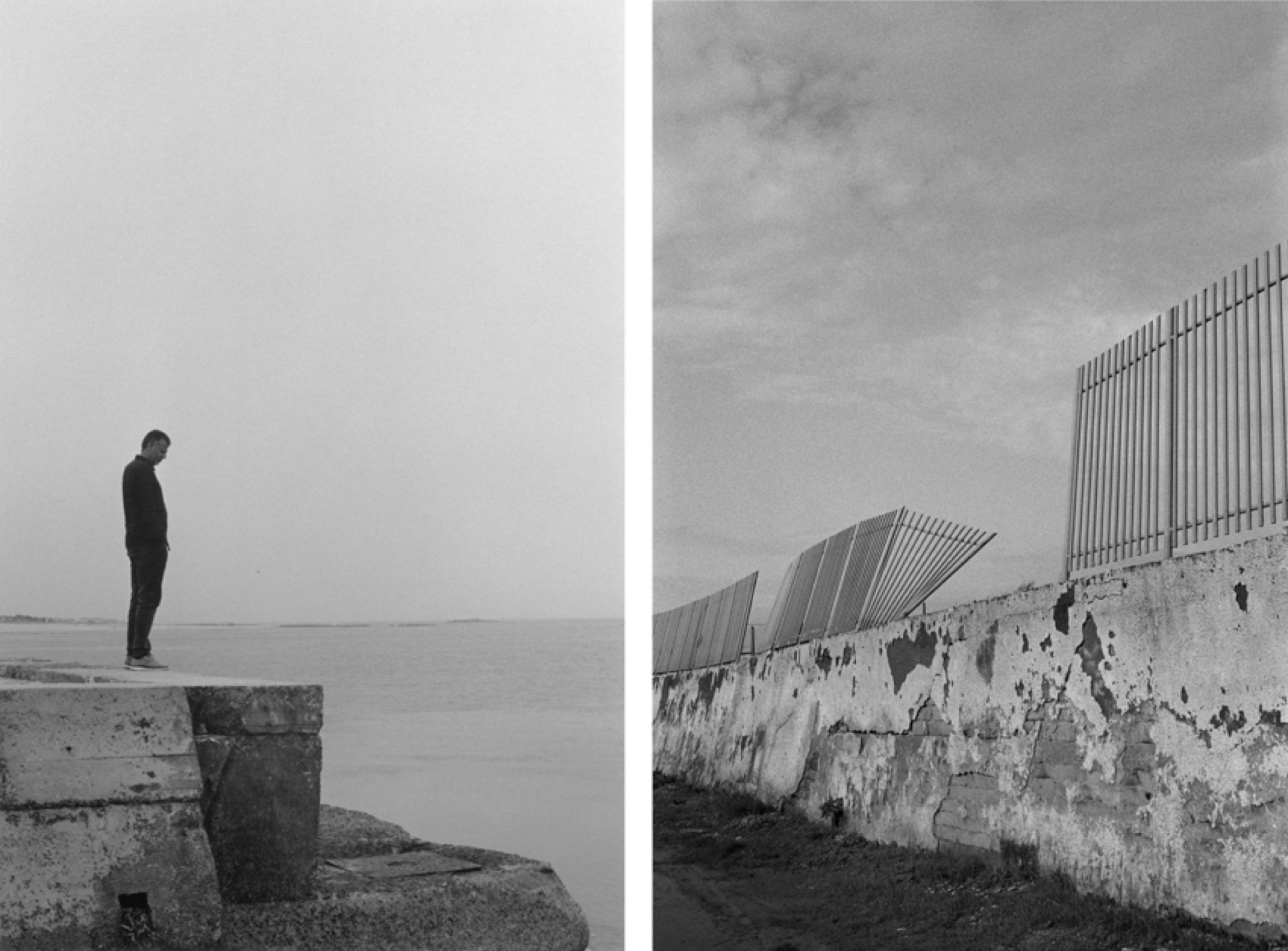
“Méditerranée. Est-ce là que l’on habitait ?”
Until 4 October 2026
Montmajour Abbey
Route de Fontvieille, Arles
Book signing delpire & co
Thursday 15 October at 7.00 pm
13 Rue de l'Abbaye, 75006 Paris
www.annelisebroyer.com
www.delpireandco.com
Photos : © Anne-Lise Broyer
Interview by Benoît Pelletier
Read more