Taittinger Harvest 2026
Vines
Taittinger Harvest 2026
An Exceptional Year for the Champagne Vineyard
Every year, Maison Taittinger draws up its harvest report, reviewing the growing season through its climatic conditions, vine development, grape ripeness and the harvest itself. Here are the key takeaways from 2026.
The Champagne Committee has described this growing season as “exceptional” on several occasions, and the term is by no means overstated.
The year was first marked by one of the most significant frost events recorded since 2003. It also stood out for its record-breaking early development: budburst occurred very early and the vine’s vegetative cycle progressed at an exceptionally rapid pace. Only 77 days separated flowering from harvest, compared with nearly 100 days twenty years ago.
This early development was accompanied by five heatwave episodes since May and severe drought conditions, with exceptionally low rainfall across the entire vineyard. Between May 18 and August 11, rainfall ranged from just 19 mm to 77 mm across the various sectors of the Marne. In our Aube vineyards, rainfall reached between 78 mm and 108 mm, but was concentrated before July. Only the Sézannais vineyards benefited from 30 mm of rainfall on August 3.
Water stress – in other words, the lack of water available to the vines – was therefore widespread. In our vineyards, however, foliage in the Marne remained highly resilient, while vines in the Aube showed slightly more stress.
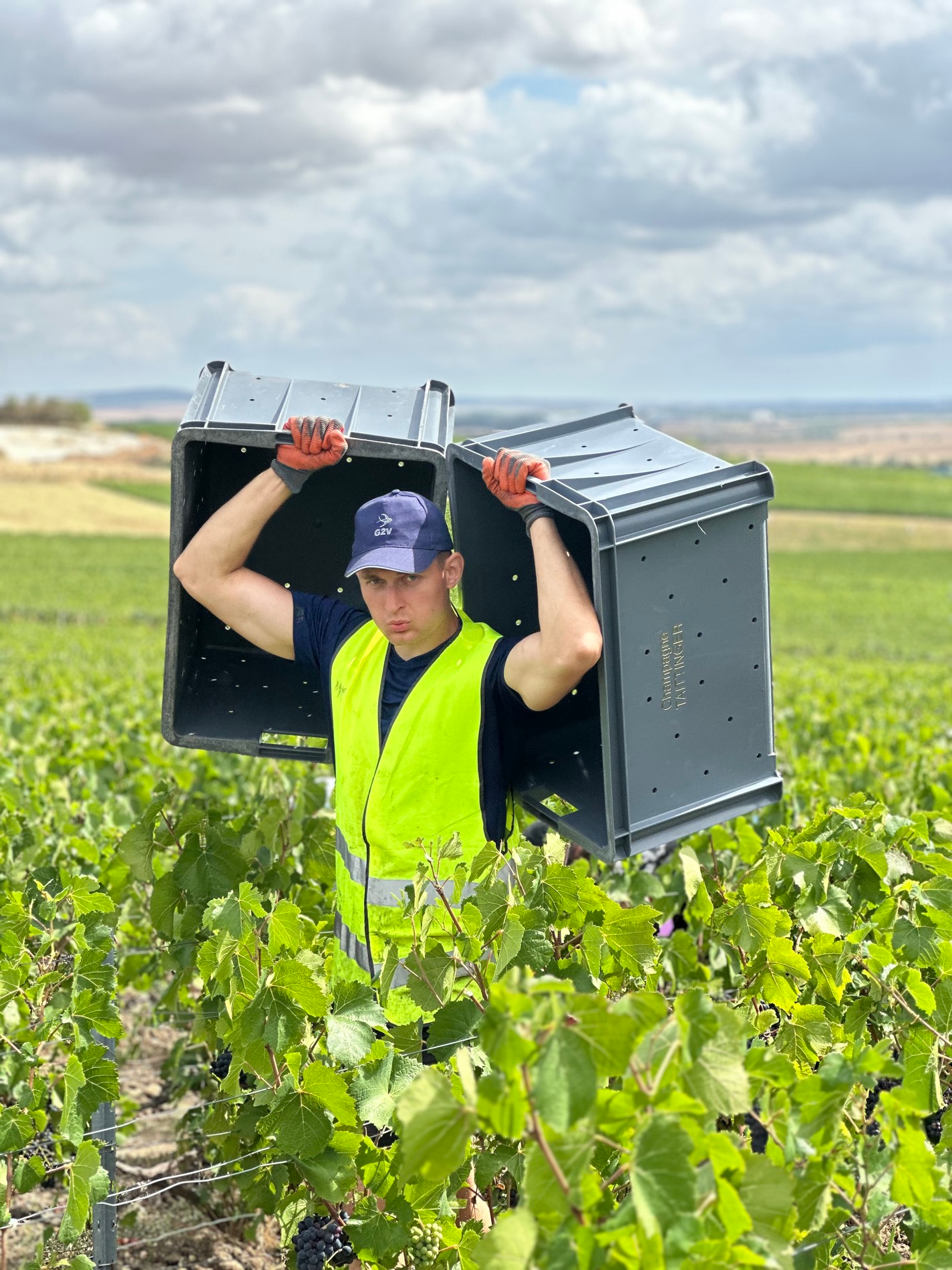
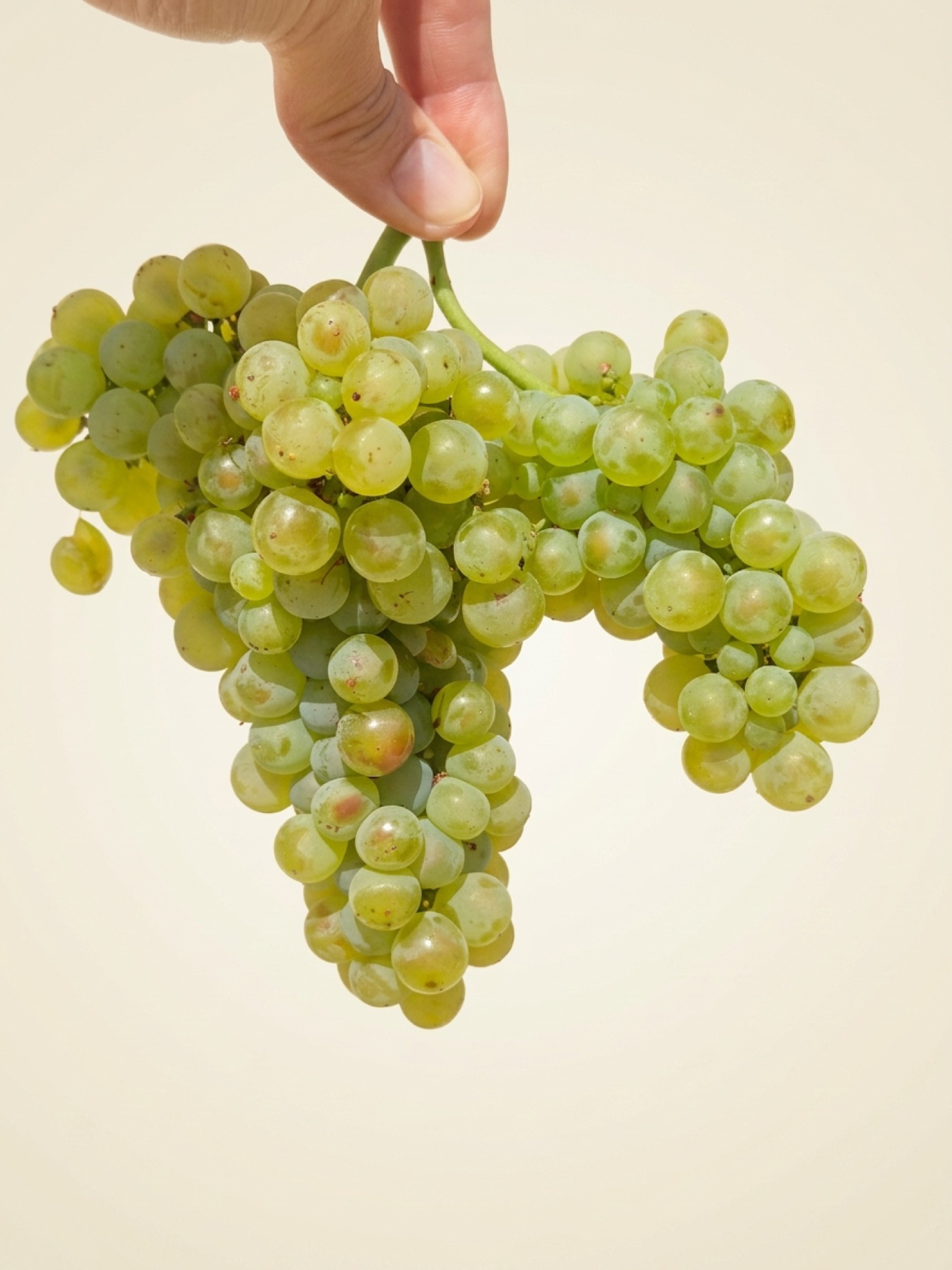
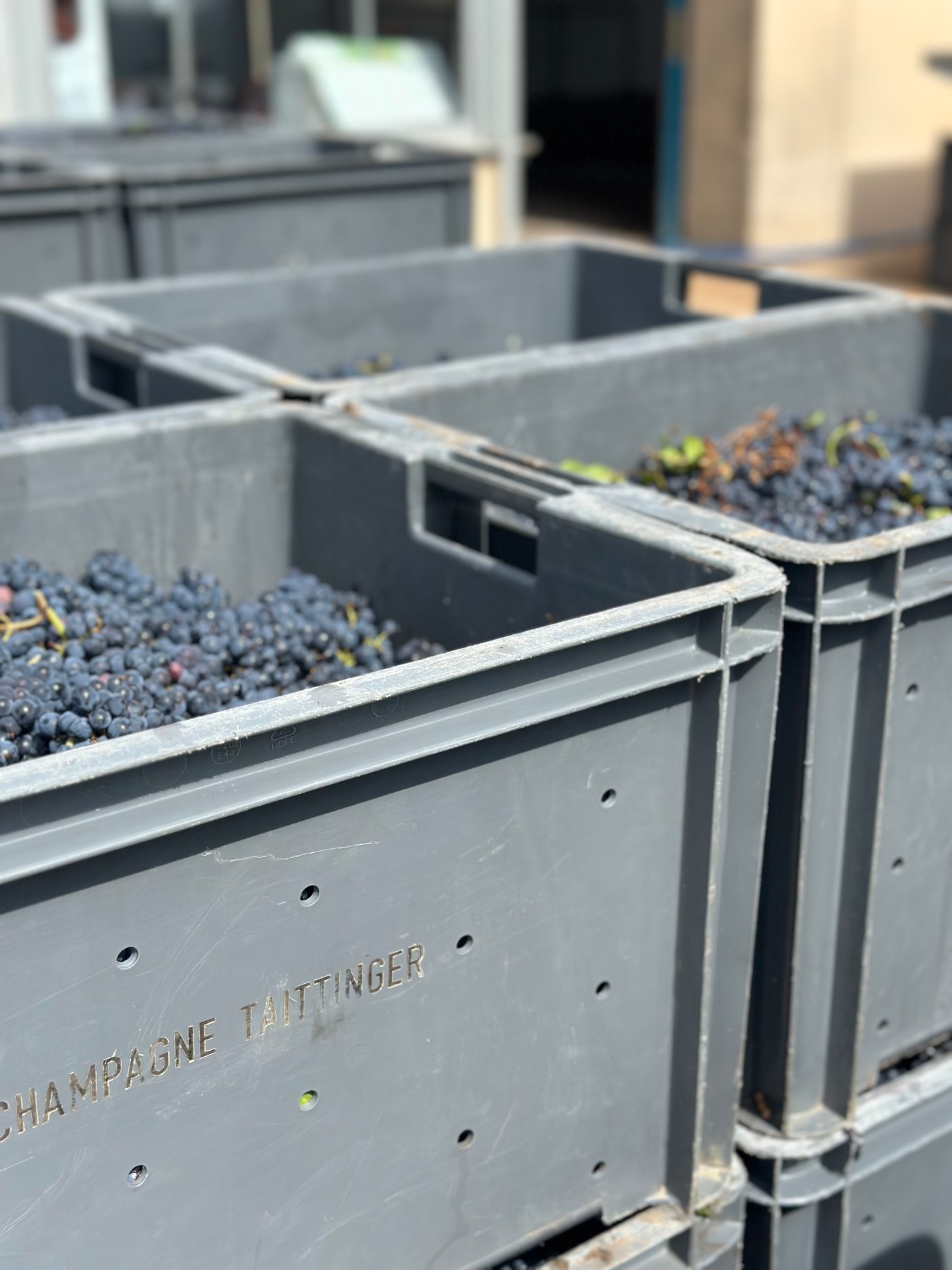
A smaller harvest, but remarkable ripening
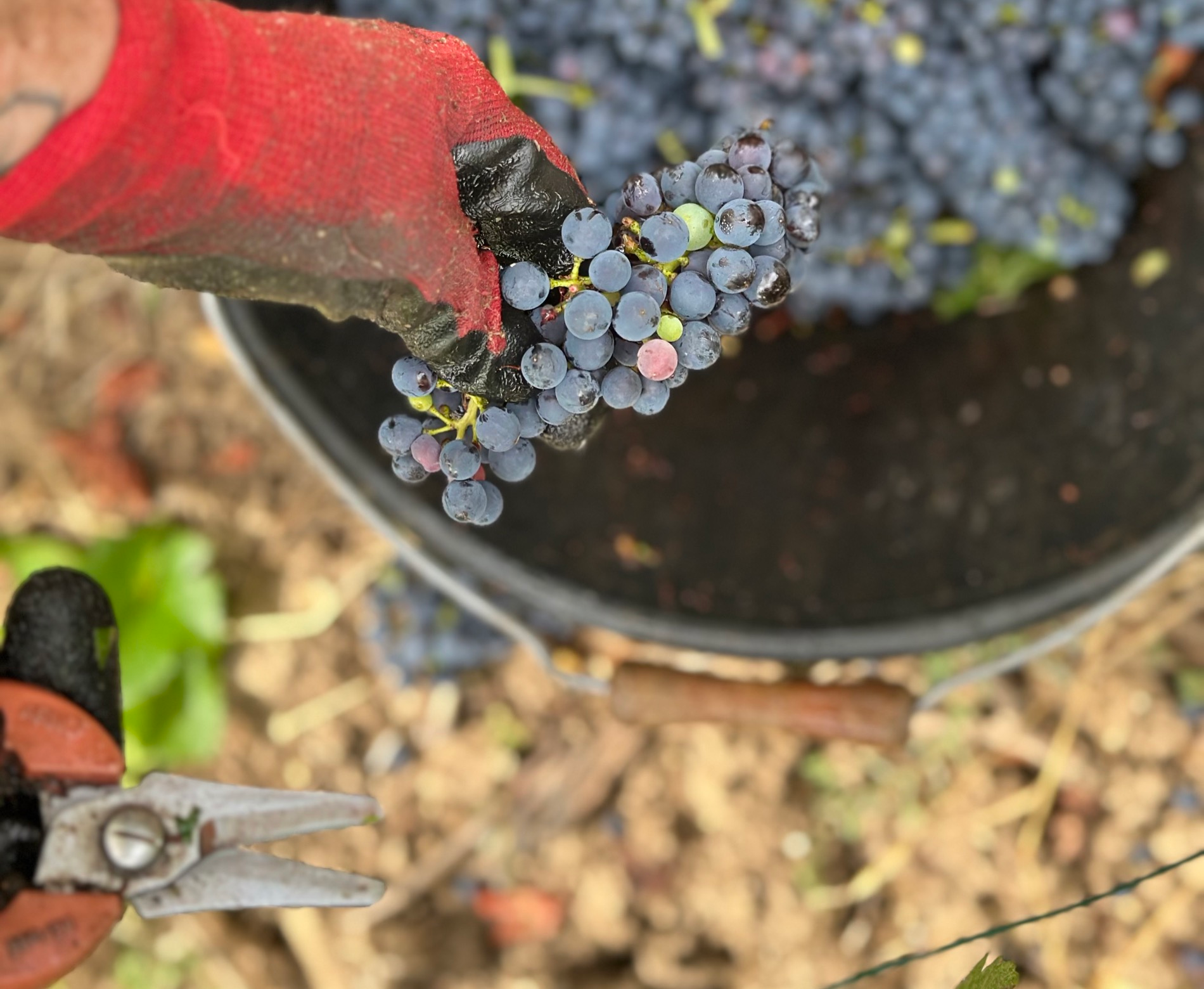
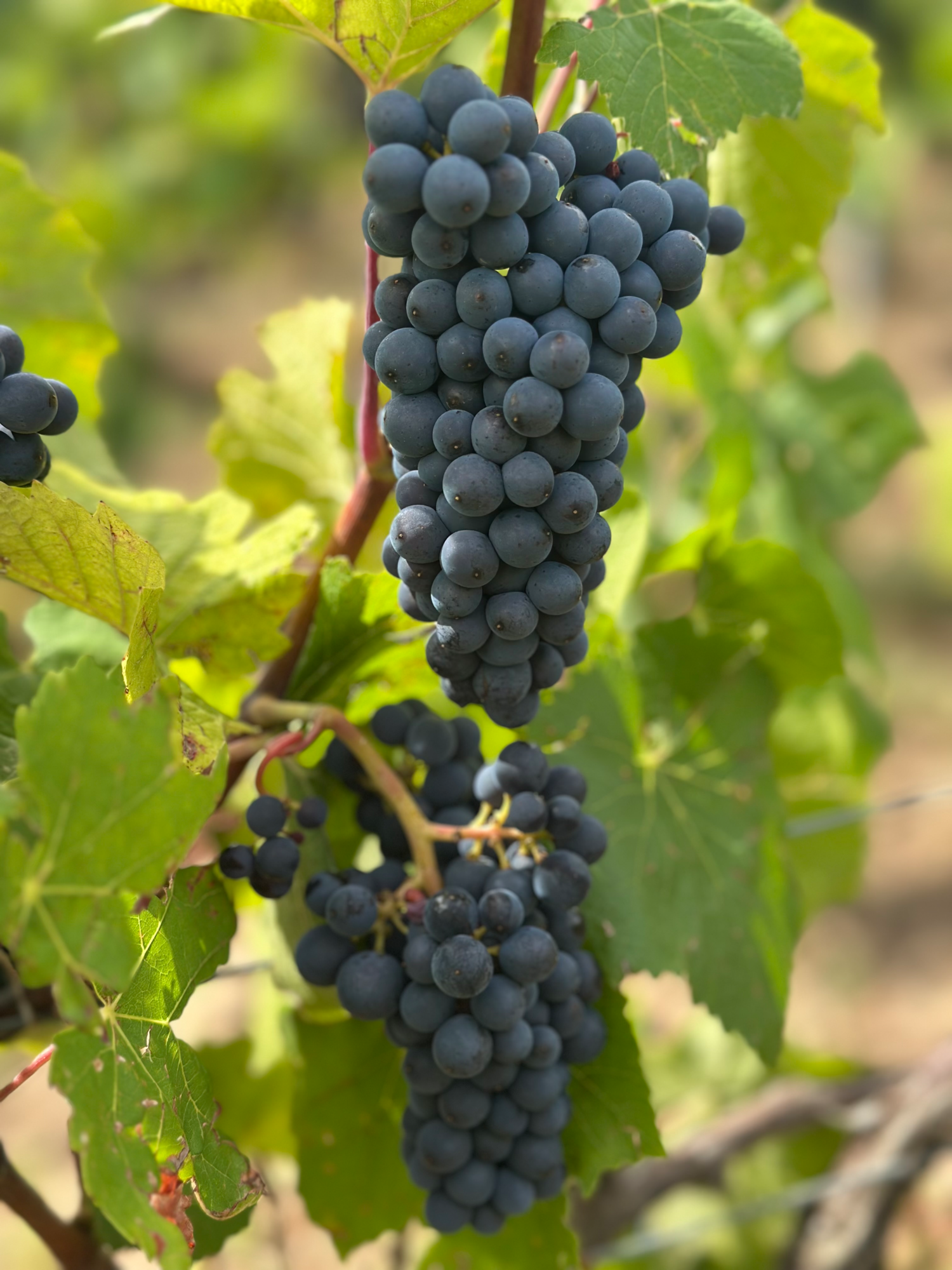
These extreme climatic conditions have resulted in widespread water stress, significantly reducing bunch weights and, consequently, yields (between 50 g and 90 g in Loches and Essoyes). Initial yield estimates of 8,000 to 9,000 kg/ha have been revised downward to 6,000 to 7,000 kg/ha due to the combined effects of frost damage and lightweight bunches. The early ripening and reduced crop load contributed to a smooth, calm harvest carried out at a deceptively relaxed pace.
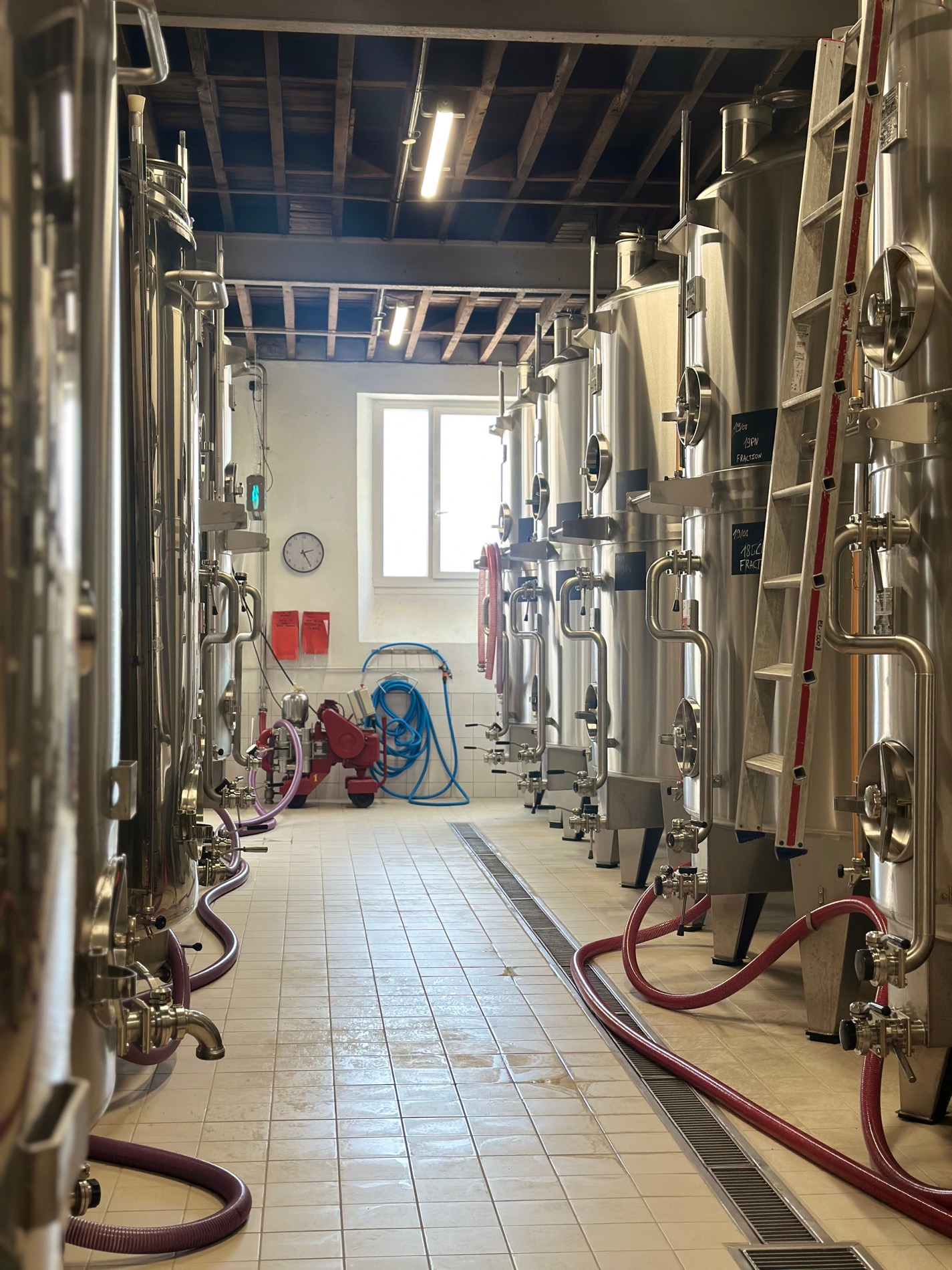
This year will also be remembered for its exceptional ripening dynamics: rapid sugar accumulation, excellent seed maturity, remarkable aromatic development, and outstanding fruit health. Harvesting began at levels rarely seen before, often close to 11% potential alcohol, requiring careful optimization of harvest logistics to avoid overripeness.
Despite these unprecedented conditions and an increasingly compressed growing season, early observations point to particularly promising quality potential.
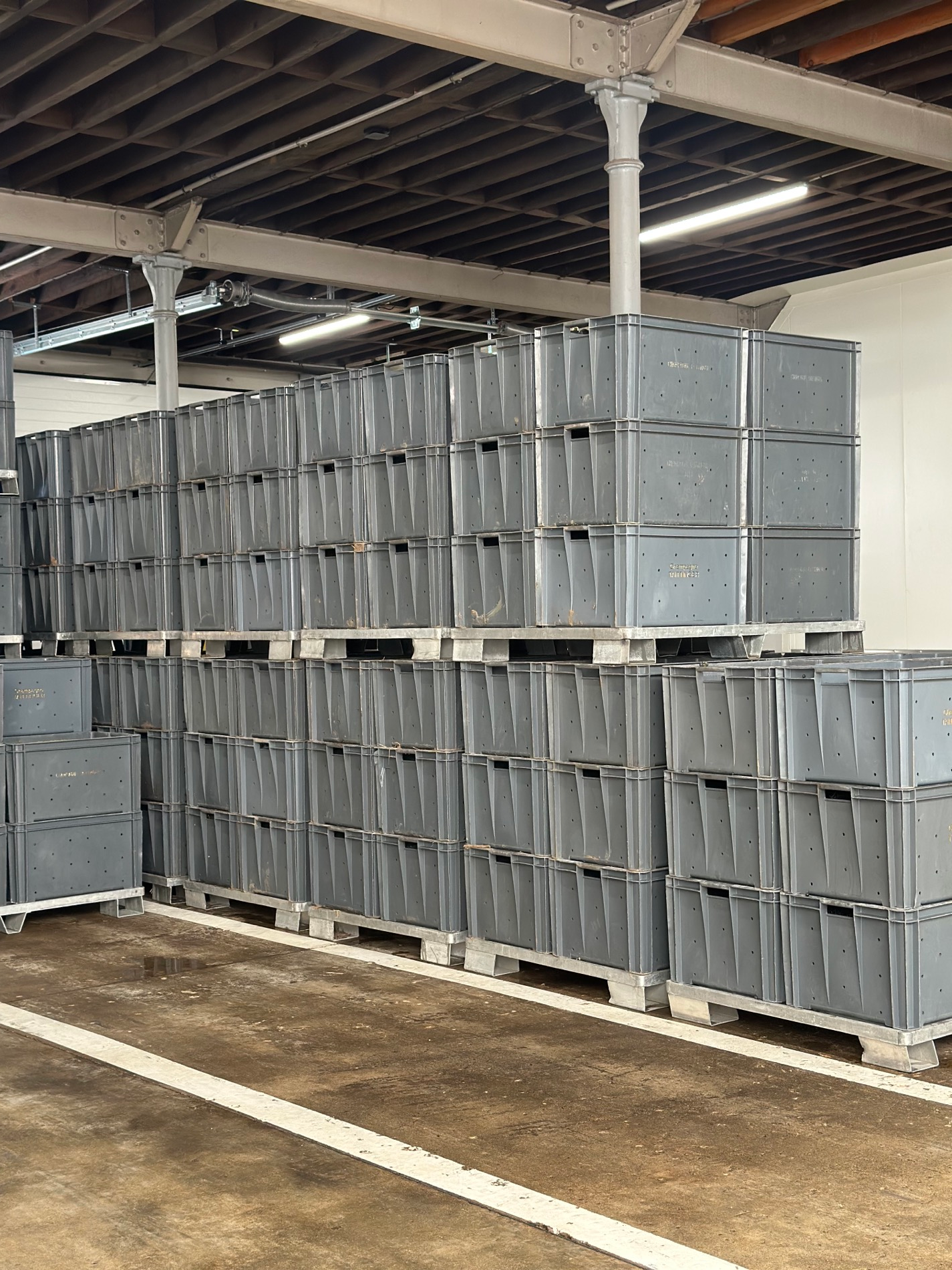
A growing season that required considerable adaptability
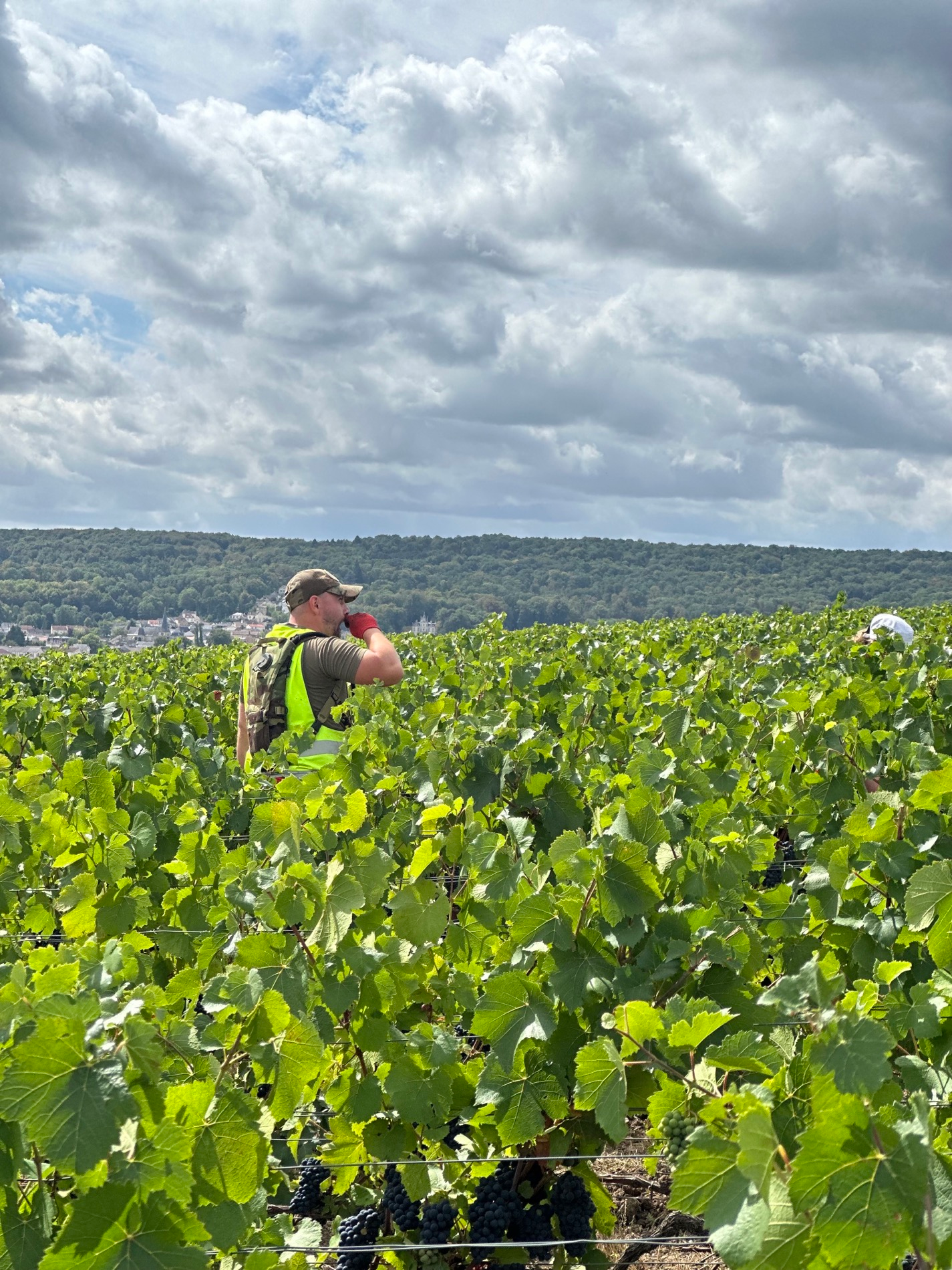
Beyond the agronomic performance, this campaign above all highlights the commitment of the teams involved. Faced with extreme heat, adjusted working hours, interrupted holiday schedules, and urgent operational decisions, they demonstrated remarkable resilience, responsiveness, and adaptability.


Read more