The history
History
An infinite horizon
Since 1932, the Taittinger family has been building an adventure spanning several lifetimes. Each generation brings its own vision, choices, and commitments. Taittinger lives and constantly reinvents itself.
Pierre Taittinger
The beginning of the adventure
In 1911, at the age of 25, Pierre Taittinger discovered champagne while working as a merchant at the Union Champenoise. Conscripted during World War I, he served on the general staff stationed at the Château de la Marquetterie, a place that left a lasting impression on him. In 1932, in the midst of the economic crisis, he made it the starting point for a new family history.
A dedicated public servant, he was a Member of Parliament for Paris from 1924 and was awarded the Croix de Guerre, balancing public life with his entrepreneurial ventures. Together with his brother-in-law Paul Evêque, he bought the Forest-Fourneaux champagne house, one of the oldest in Champagne.
This adventure was continued by François Taittinger, who, at a very young age, founded Taittinger and gave the House new momentum by defining a modern, distinctive style and shaping a bold vision for its future.
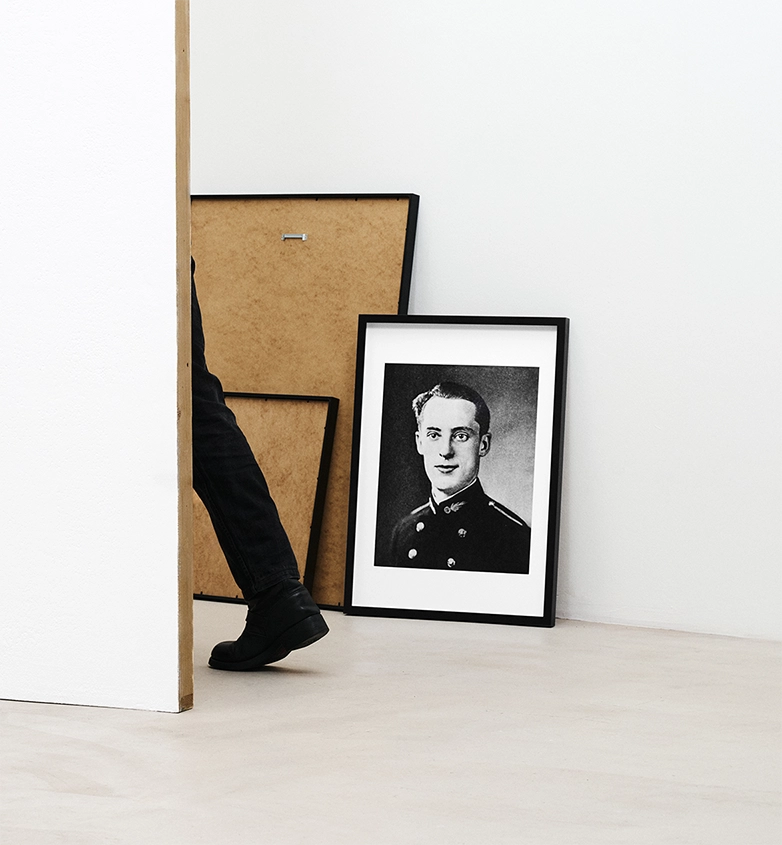
Michel Taittinger
A model brother
Michel Taittinger embodies the strength of family values. A brilliant student at Polytechnique, he died aged just 20 while defending the last French bridge over the Seine in June 1940. His dedication earned him the Legion of Honor and the Croix de Guerre posthumously.
For the family, Michel remains a founding figure: a moral compass, a symbol of courage and commitment.
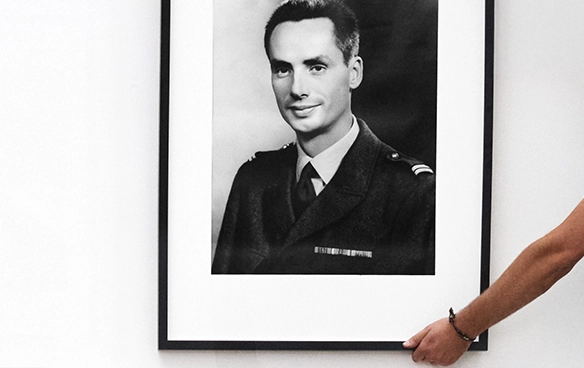
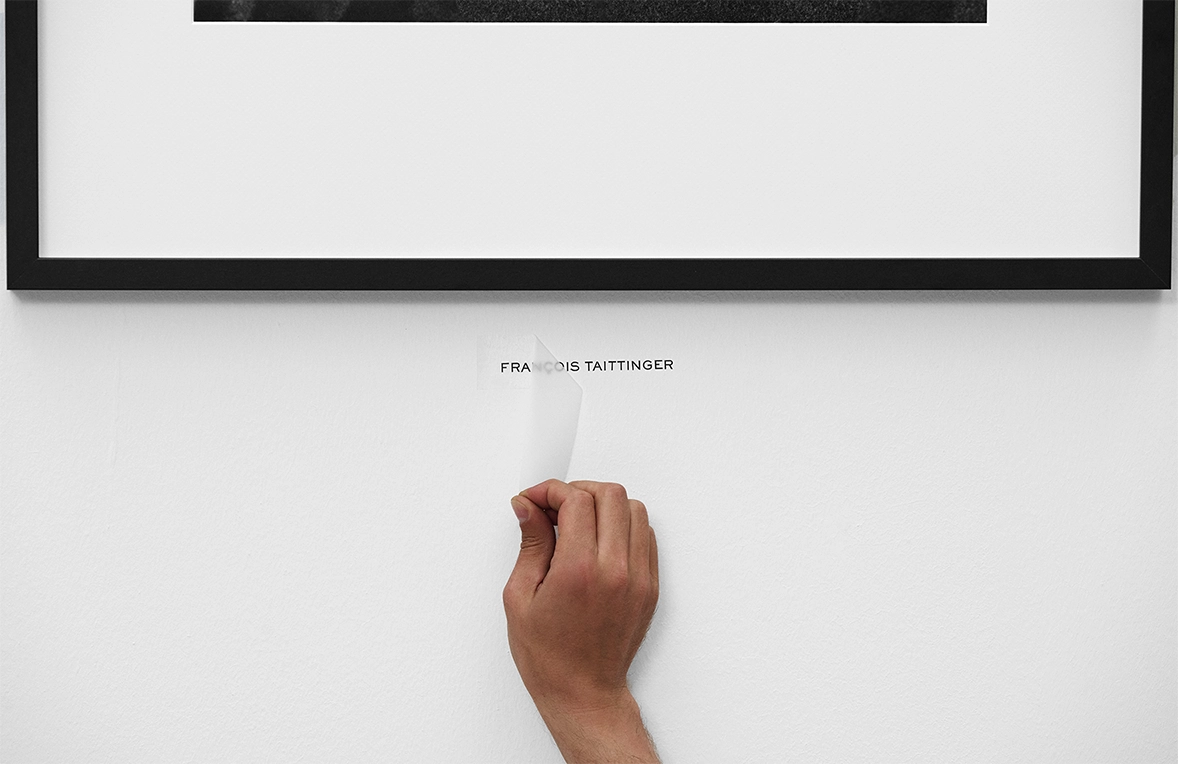
François taittinger
A visionary spirit
At a very young age, François Taittinger joined the family business and laid the foundations for the Taittinger style. He officially established the family name, affirmed Chardonnay as the House’s signature grape variety, and created the Comtes de Champagne Blanc de Blancs cuvée (1952).
Attuned to changing lifestyles, he crafted his wines to reflect the spirit of their time and the pursuit of modernity. A visionary when it came to land ownership, he acquired 110 hectares of vineyards in 1955. Together with his brother Jean, he also played a role in the development of the Société du Louvre, which would become a major player in the hotel and luxury goods industry.
His death in 1960 left behind a thriving House, driven by strong ideas and a clear identity.
Jean Taittinger
A builder serving France and the House
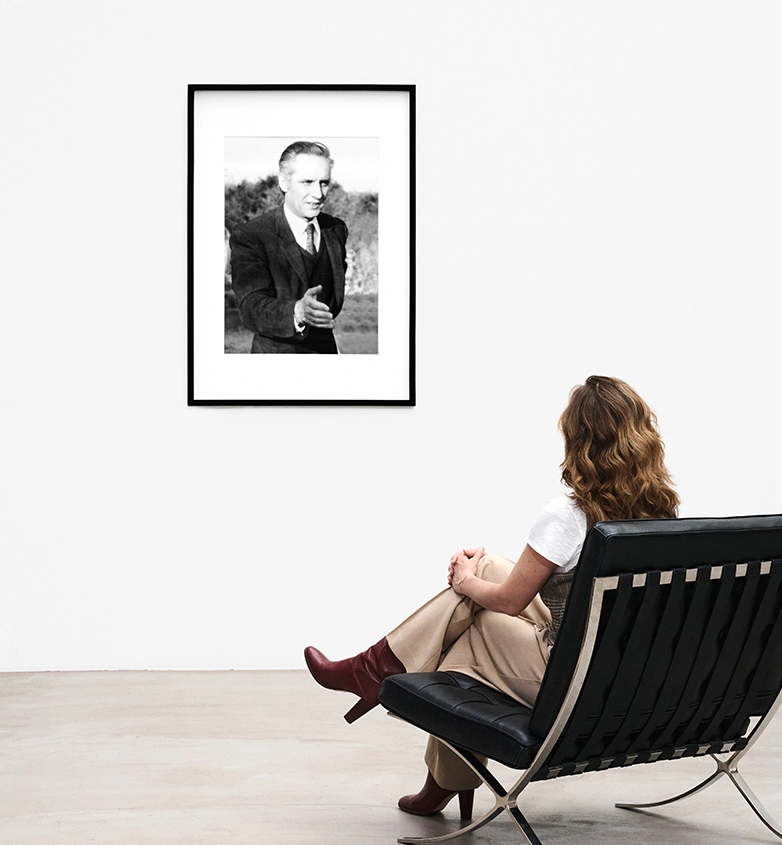
An early leader of Champagne Taittinger alongside his brother François, Jean Taittinger oversaw the industrial and economic development of the Taittinger Group while also pursuing a political career serving Reims and France for more than twenty years. Close to General de Gaulle, he embraced a vision of reconstruction and cultural influence that guided all of his actions.
Mayor of Reims from 1959, then deputy for the Marne, he went on to become Secretary of State for the Budget and then Minister of Justice. His political career reflects a consistent guiding principle: rigor, responsibility, and concern for the public interest. His passion for France, its heritage, and its culture gave purpose and meaning to each role he took on.
In 1977, he left politics to head the Société du Louvre, developing iconic hotels and establishments. Later, he supported his son Pierre-Emmanuel in getting the champagne house back under family control in 2006.
When he died in 2012, Jean Taittinger was hailed as a servant of the state and a key player in his family’s history.
Claude taittinger
A career serving Taittinger
President of Champagne Taittinger from 1960 to 2005, Claude Taittinger gave the House a decisive cultural and international outlook. A man of letters, Claude Taittinger left behind a number of beautiful books, including Champagne par Taittinger (1996), Thibaud le Chansonnier: Comte de Champagne (1987), and Saint-Évremond ou le bon usage des plaisirs (1990).
A war correspondent in Indochina before joining the House in 1949, he had a keen interest in world affairs that would mark his entire presidency. After the death of his brother François, he took over the management of the company and helped build the international reputation of Taittinger’s style. Léopold Senghor called his wines ‘the French spirit in a bottle’.
A pioneer, he created the Pierre Taittinger International Culinary Prize in 1967, then launched the Taittinger Collection in 1983, bringing together great artists such as Vasarely, Lichtenstein, and Zao Wou-Ki with vintage cuvées. He also significantly expanded the vineyard and founded Domaine Carneros in Napa Valley, focused on developing a Pinot Noir with a promising future.
Writer, historian, tireless ambassador, Claude Taittinger will remain the man who connected the House with the worlds of wine, culture, and creativity.